Isla Gorgona is a beautiful tropical island and a national p...
The Utria National Park, located on Colombia’s Pacific Co...
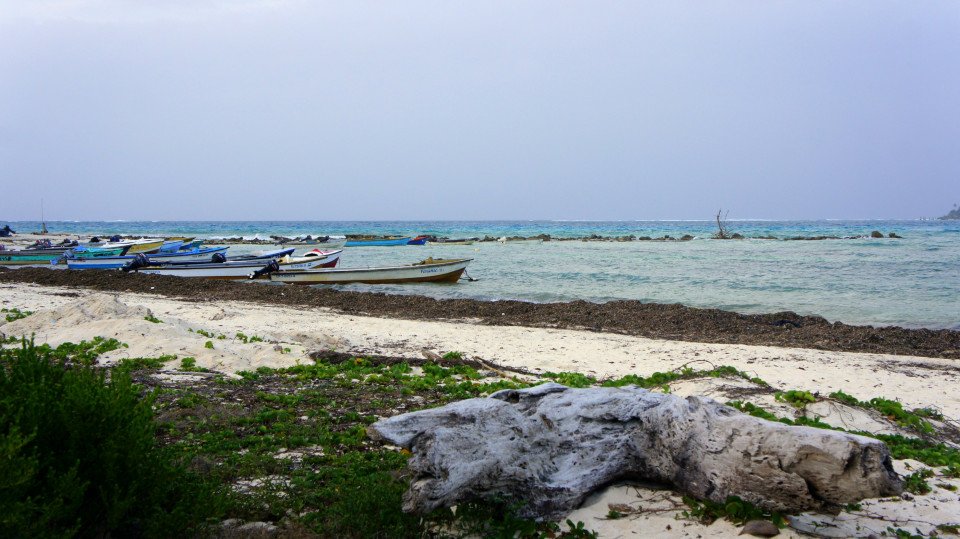
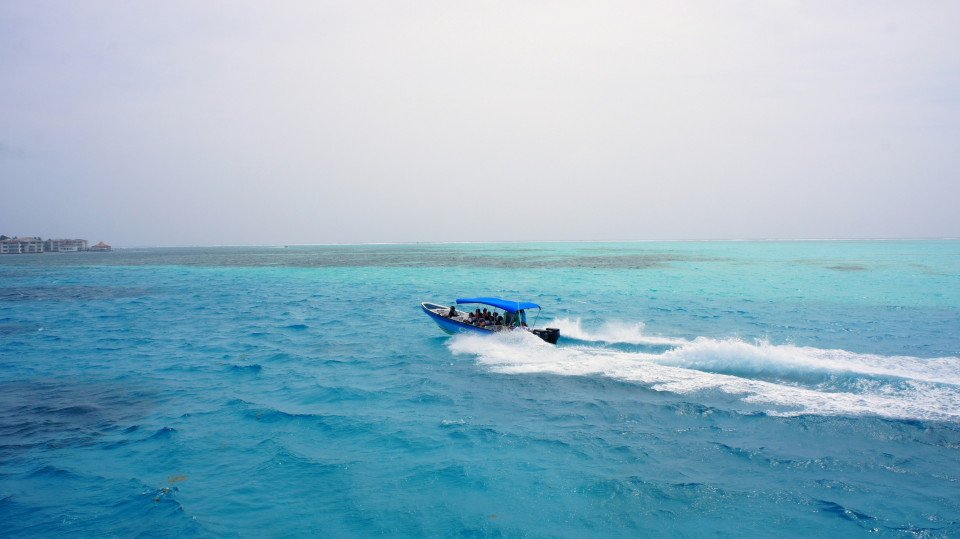
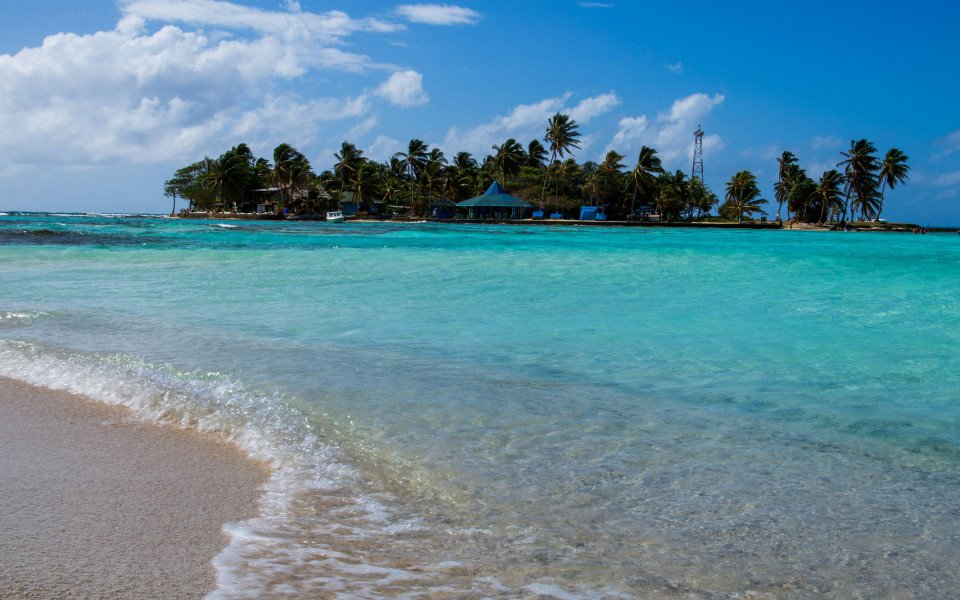
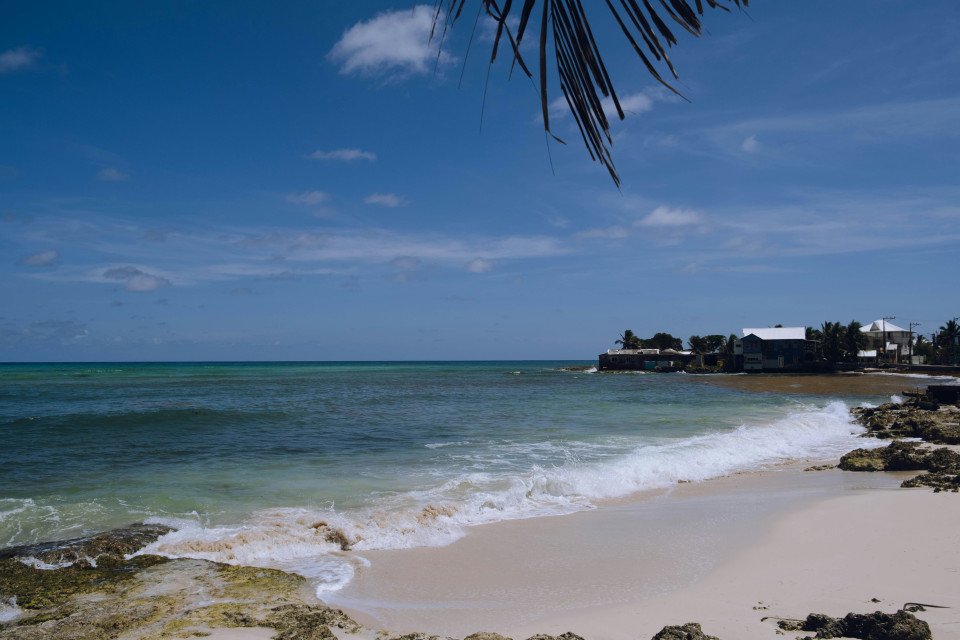
The San Andres and Providencia archipelago comprises Colo...
Santa Cruz de Mompox is a beautifully preserved UNESCO Wo...
Isla Gorgona is a beautiful tropical island and a national p...
The Utria National Park, located on Colombia’s Pacific Co...
The San Andres and Providencia archipelago comprises Colo...
Santa Cruz de Mompox is a beautifully preserved UNESCO Wo...
Bahía Solano is located in splendid isolation; connected to the outside world by a single, small local airport. Tucked inside a bay, the small Columbian town is lined by the Pacific Ocean on one side and thick, impenetrable jungle flush with waterfalls on the other. The majority of the 10,000 residents work in local industries, which are predominantly fishing, agriculture and eco-tourism. In addition to a quaint town with its local schools, shops, businesses, church, and library, there is a small fishing port here with a display of the locally caught fish, which are flown out daily to the main cities of Colombia. The village also supports a regional botanical reserve that is dedicated to the protection and conservation of local wildlife through education and recovery.
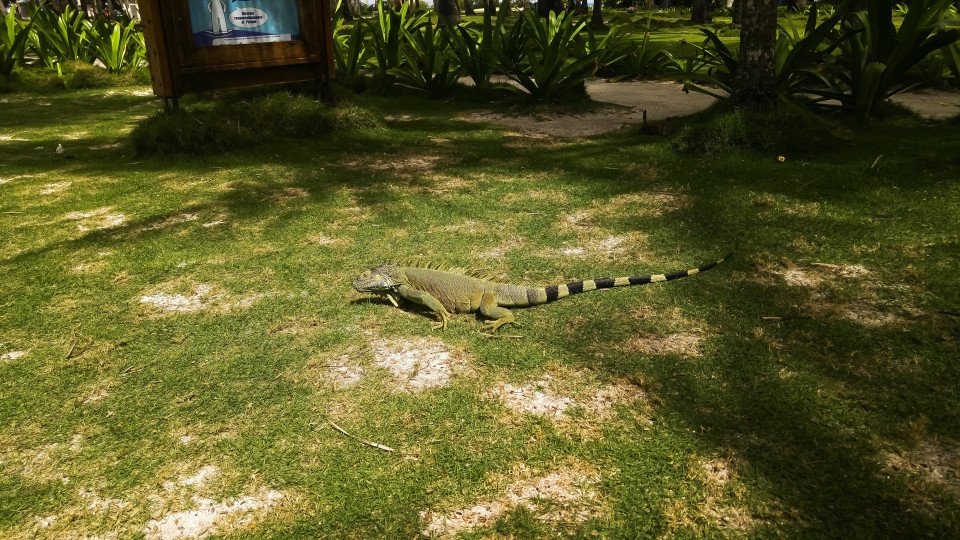
Isla Gorgona is a beautiful tropical island and a national park. Packed with lush green rainforest, palm trees and beaches full of black volcanic rocks, this little island off the Colombian coast was used by Pizarro and his thirteen followers before they eventually went south to inspect and later conquer Peru. The island is named after its plentiful supply of snakes, which might have been one of the reasons to utilize the island until the 1980s as a prison. Today only limited amounts of visitors are allowed ashore to explore the prison ruins, hike in the rainforest or snorkel.
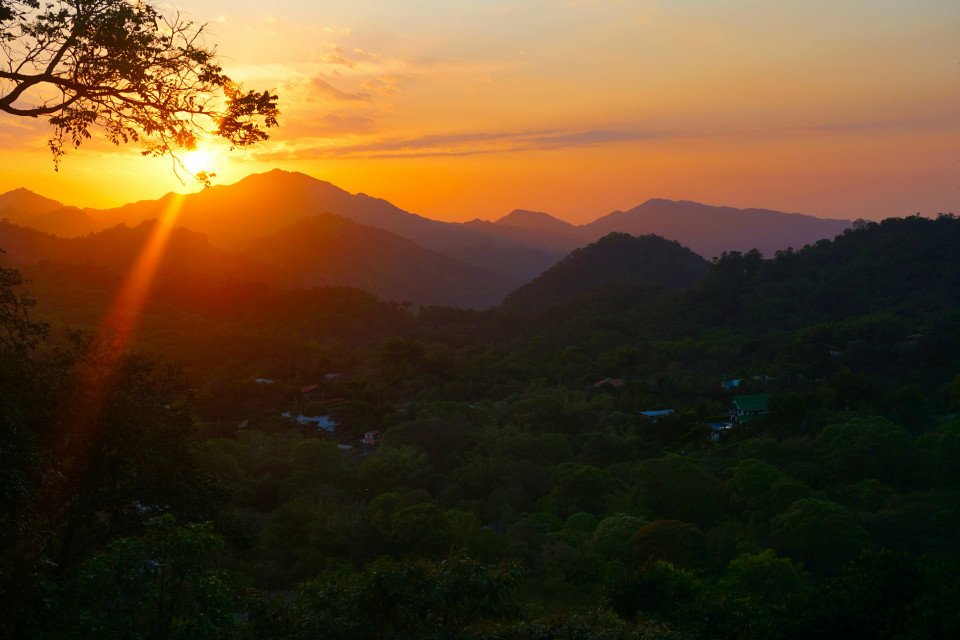
The Utria National Park, located on Colombia’s Pacific Coast, is set in one of the most beautiful and unique natural settings of the country. It is a natural landmark of Colombia with striking thick rainforest, endless beaches, lush mangroves and steep mountains. During the breeding season, humpback whales raise their new-borns in the coastal waters. The park is a biodiversity “hot spot”, with a huge diversity of wildlife including monkeys, frogs, and more than 400 species of birds.
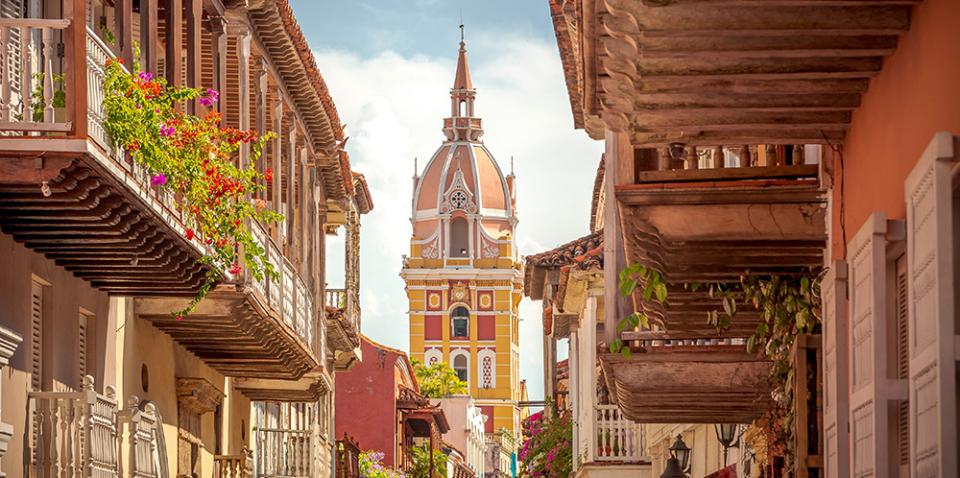
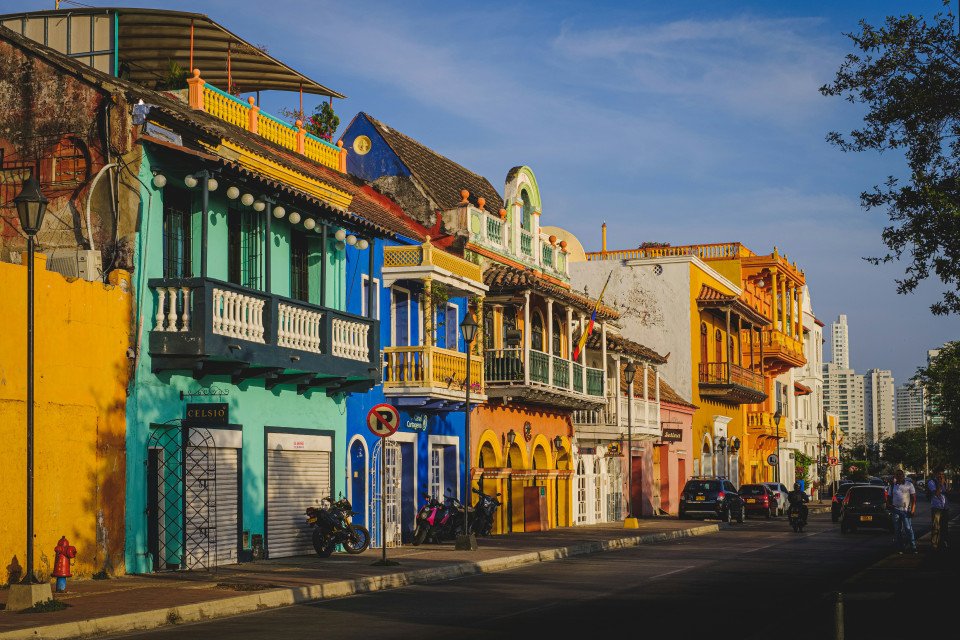
Cartagena's magnificent city walls and fortresses, now a UNESCO World Heritage Site, enclose a well-restored historic center (the Cuidad Amurallada, or walled city) with plazas, churches, museums, and shops that have made it a lively coastal vacation spot for South Americans and others. New hotels and restaurants make the walled city a desirable place to stay, and the formerly down-at-the-heels Getsemaní neighborhood attracts those seeking a bohemian buzz. The historic center is a small section of Cartagena; many hotels are in the Bocagrande district, an elongated peninsula where high-rise hotels overlook a long, gray-sand beach.When it was founded in 1533 by Spanish conquistador Pedro de Heredia, Cartagena was the only port on the South American mainland. Gold and silver looted from indigenous peoples passed through here en route to Spain and attracted pirates, including Sir Francis Drake, who in 1586 torched 200 buildings. Cartagena's walls protected the city's riches as well as the New World's most important African slave market.
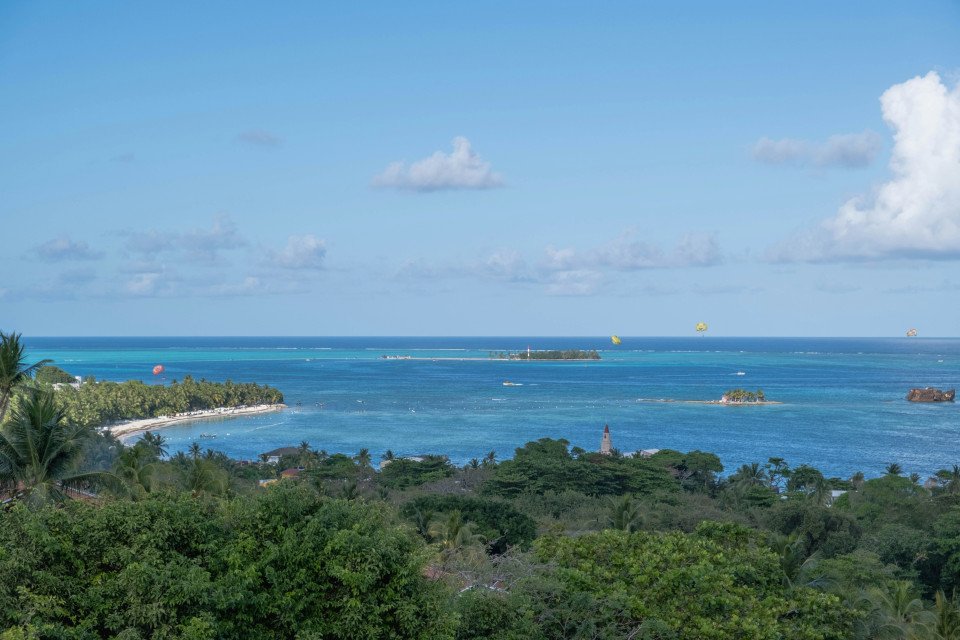
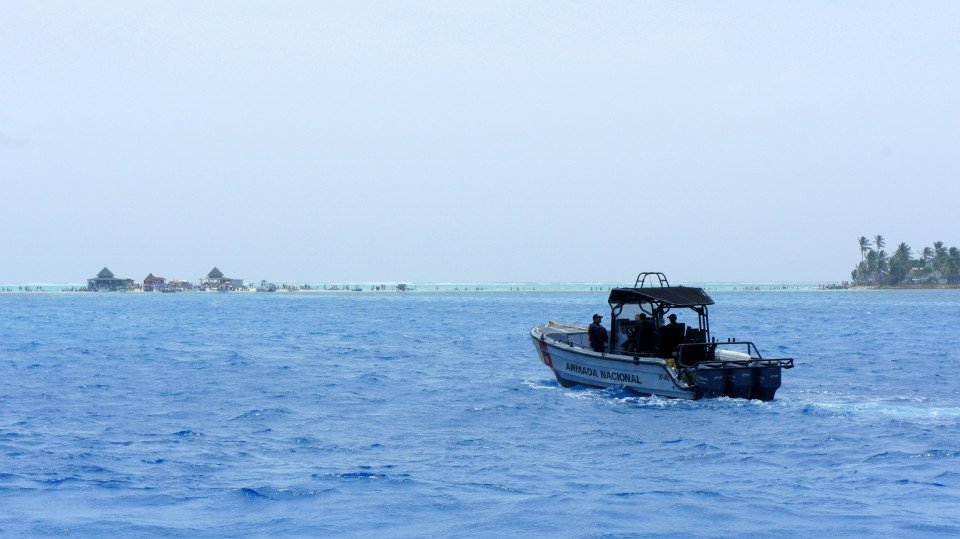
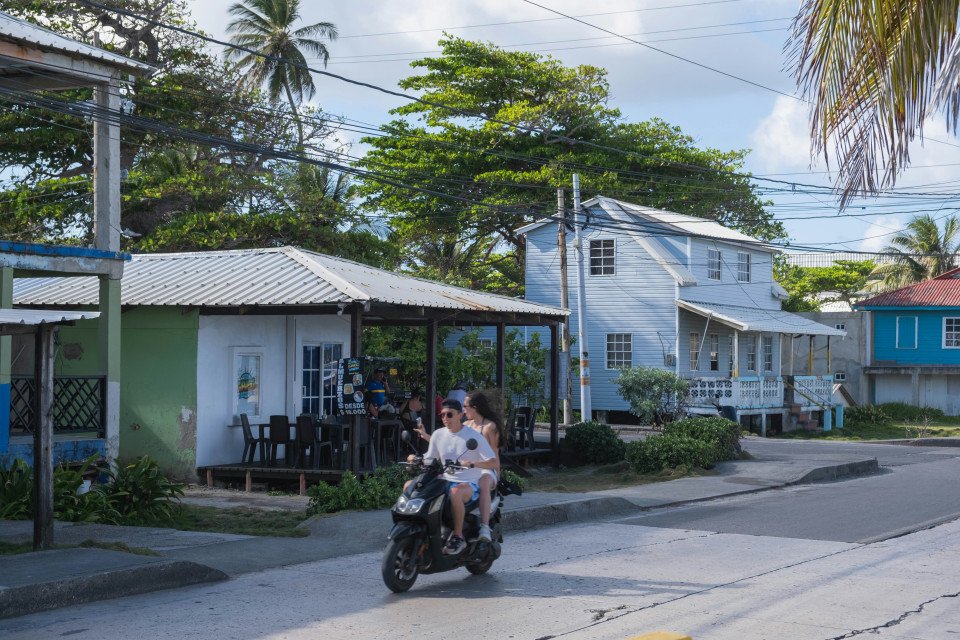
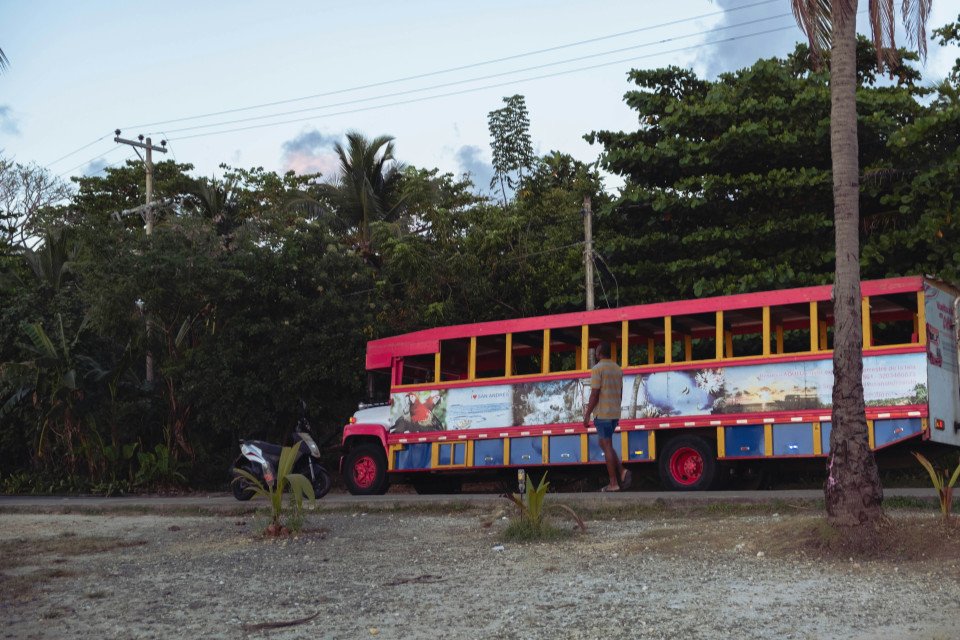
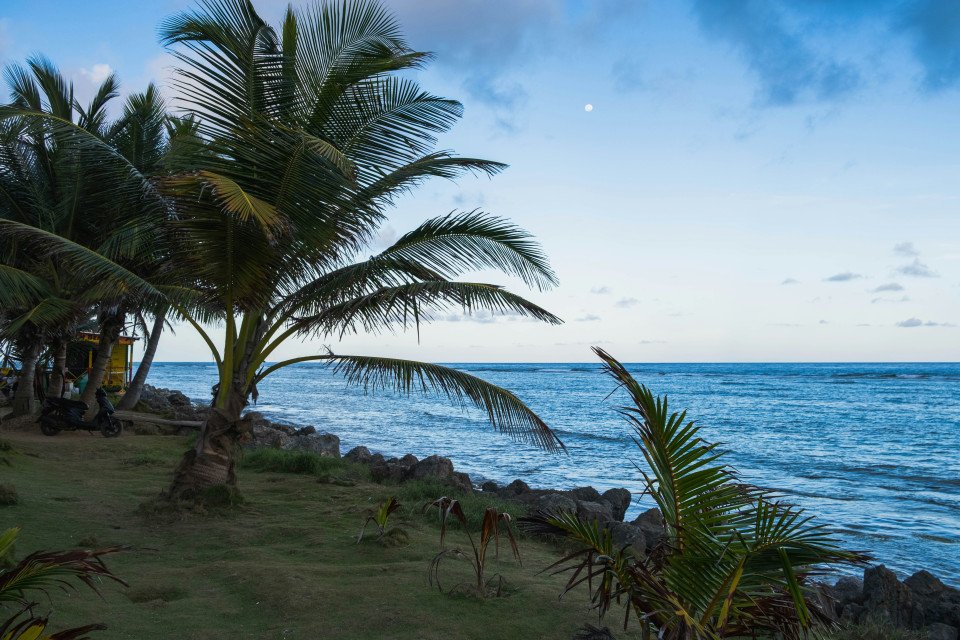
The San Andres and Providencia archipelago comprises Colombia's Caribbean islands, lying some 290 miles north of the South American coast. Palm-dotted San Andres is only eight miles long and two miles wide. It is noted for beautiful sand beaches, crystal-clear waters and good diving sites. At one time the island belonged to Britain and, according to local lore; it was a favorite hideout for the legendary pirate Henry Morgan. In 1822, San Andres came under the control of Colombia. In recent years the original population has greatly increased due to unrestricted immigration from the mainland. There are also Chinese and Middle Eastern communities. The official language is Spanish but English is widely spoken, especially in shops and hotels. The island is best seen via the scenic ring road that offers views of coves, beaches and palm groves. In the interior stands a Baptist church dating from 1847, and the attraction at the southern end is the Hoyo Soplador, a geyser-like hole where the sea shoots jets of water intermittently into the air during the right wind and sea conditions. On the island's northern tip lies the main town and commercial center, known by the same name as the island. San Andres Town is surrounded by beaches, with small hotels lining the waterfront. Being a duty-free zone, the town often gets crowded with Colombian shoppers who come from the mainland looking for foreign-made goods at duty-free prices. To reach the town from the tender landing requires an approximate 20-minute taxi ride. However, it is not uncommon for drivers to choose the longer way around the island for a higher fare. From the downtown waterfront, boats offer trips to Johnny Cay, a tiny island just a stone's throw across from town and known for its powdery white sand beach and rustic, laid-back atmosphere. San Andres Island’s main attraction is its location off the beaten track, as well as pretty scenery, sandy beaches and clear, warm waters. Tourism infrastructure is limited. Pier Information The ship is scheduled to anchor off El Cove. Guests will be taken ashore via the ship's tenders. The landing site is about a 20-minute drive from San Andres Town. There are plenty of taxi drivers offering their services. Please be sure to agree on the fare before setting out (the one-way fare should be around $30). Keep in mind that not all taxi drivers speak English. Shuttle buses are not available. Shopping Most shops in town carry duty-free imports. At New Point Plaza you will find shops selling local souvenir items and jewelry including emeralds. Some stores close between 12:30 p.m. and 3:00 p.m. The local currency is the peso. Many shops will accept U.S. dollars and major credit cards. Cuisine Outdoor cafés are available in town if you fancy a cold drink or a quick snack. Other Sites All of the island’s sights are covered on the San Andres Island Drive. Beaches Swimmers, snorkelers and sun seekers will find beach facilities right in town. One of the hotels also features water sport rentals. Johnny Cay can be reached via local boats departing from the waterfront. However, be aware that winds are fairly strong between November and January, which may cause delays for your return boat ride. There are no tourist facilities on Johnny Cay. Private cars/vans are not available in this port, except for taxis.
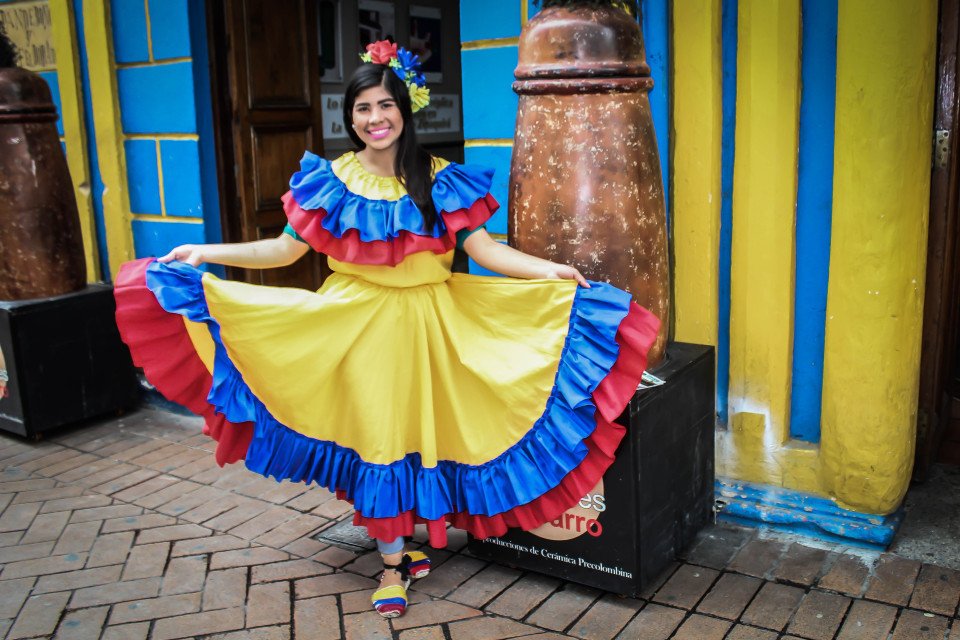
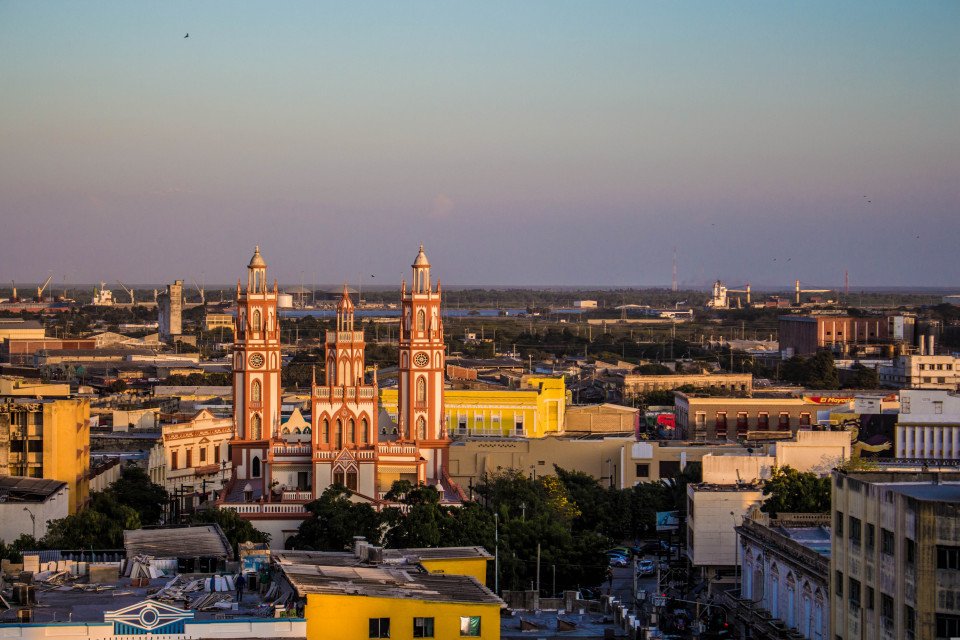
Situated at the mouth of the Magdalena River, Barranquilla is the gateway between the stunning Caribbean coastline and the cultural heart of Colombia. Barranquilla offers the beauty and scenery of the Caribbean fused with the rich culture and atmosphere of Colombia, marking the perfect beginning or end to a Magdalena River cruise. This UNESCO-listed colonial gem is home to authentic Spanish colonial architecture and hosts immersive cultural performances and celebrations year-round.
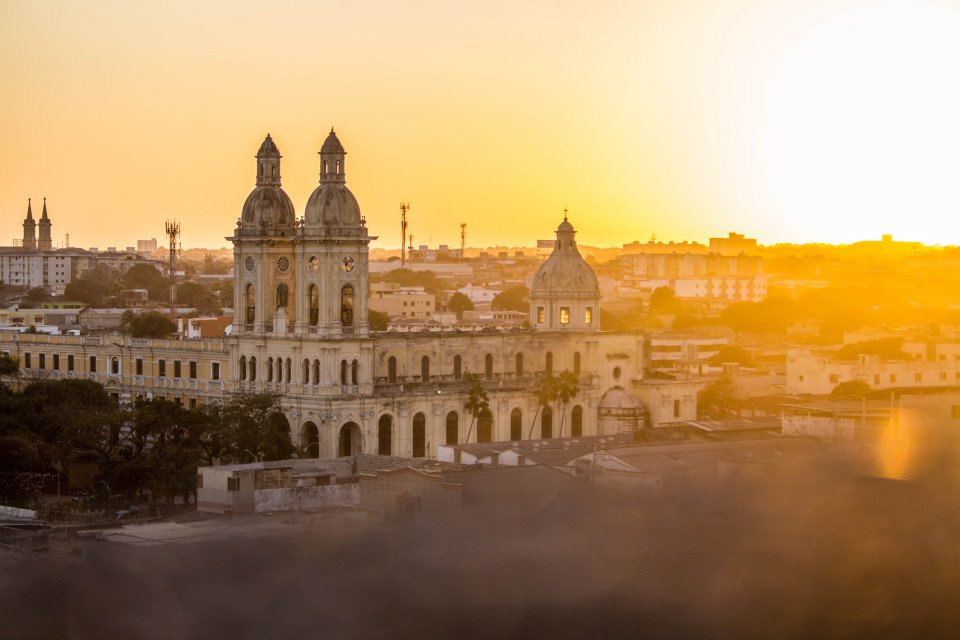
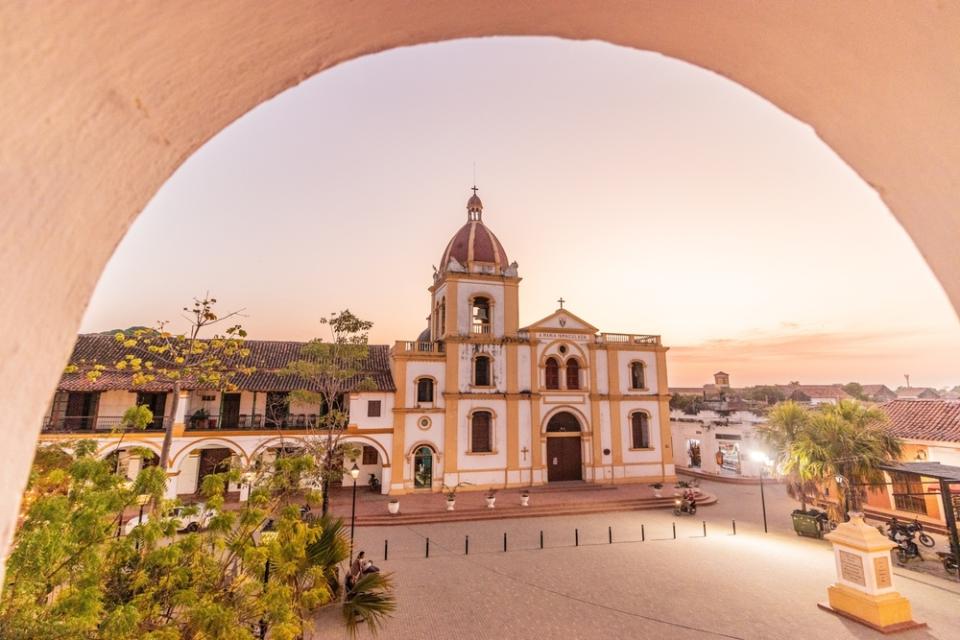
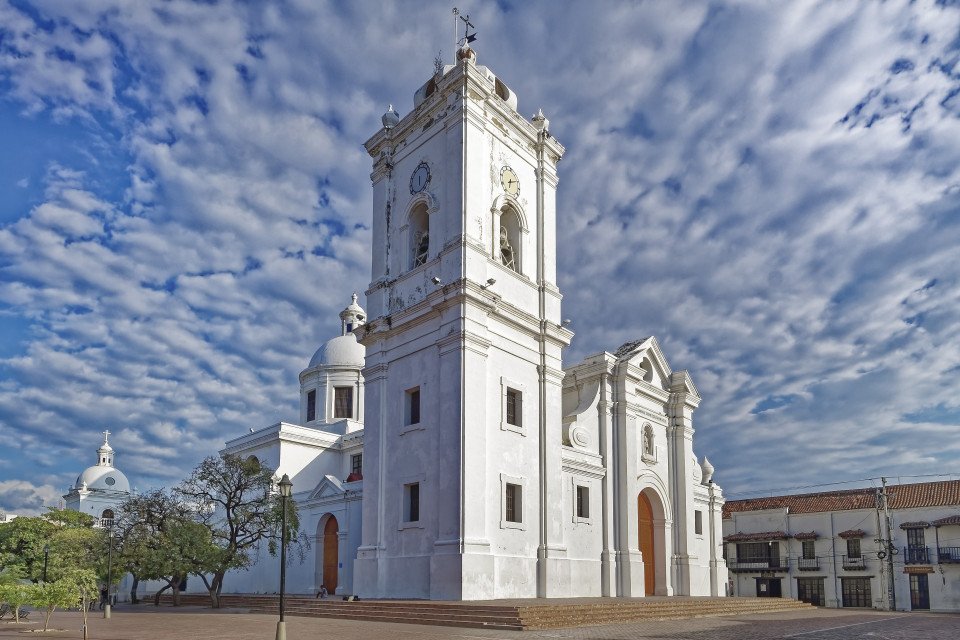
Santa Cruz de Mompox is a beautifully preserved UNESCO World Heritage town - a true highlight on any Magdalena River Cruise. Almost frozen in time, this region has immaculately preserved its colonial-era streets plans and original architecture, including churches, plazas and colonial mansions, so visitors can immerse themselves in Mompox's storied past. Enjoy a slow-paced, intimate experience as you stroll along the promenade, marvel at beautiful buildings and enjoy an array of curated shore excursions that introduce guests to Colombia's fascinating inland cultural heritage.