India's Golden Triangle & the Sacred Ganges
24 Dec 2028 - 12 Nights
Kolkata, the capital of West Bengal, India, is a vibrant...
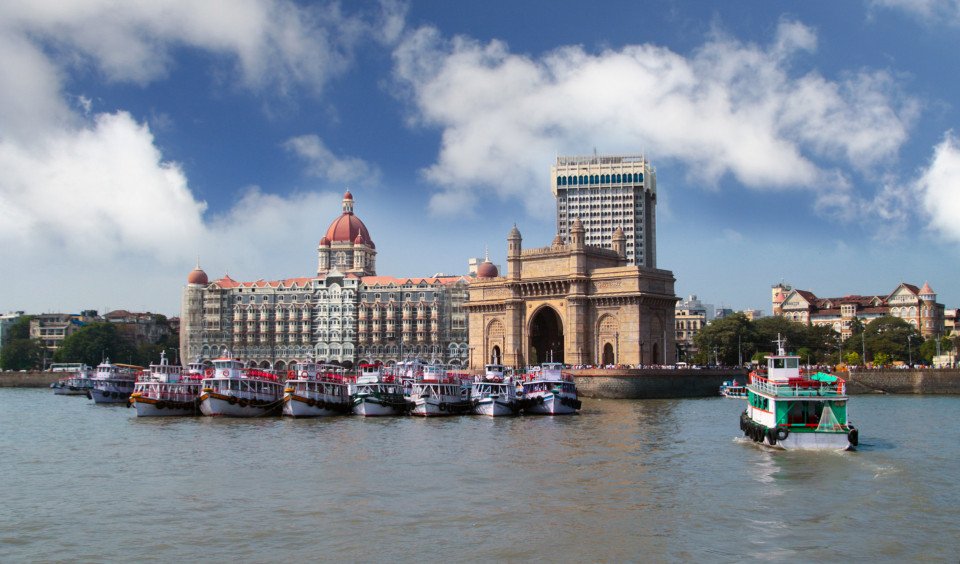
Mumbai, sometimes called the Maximum City, after Suketa Meht...
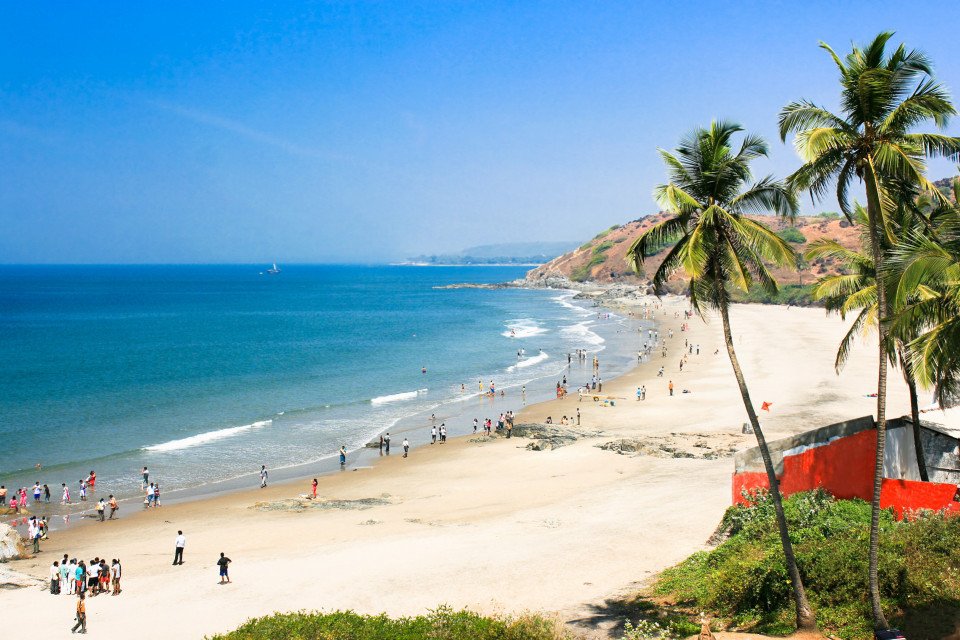
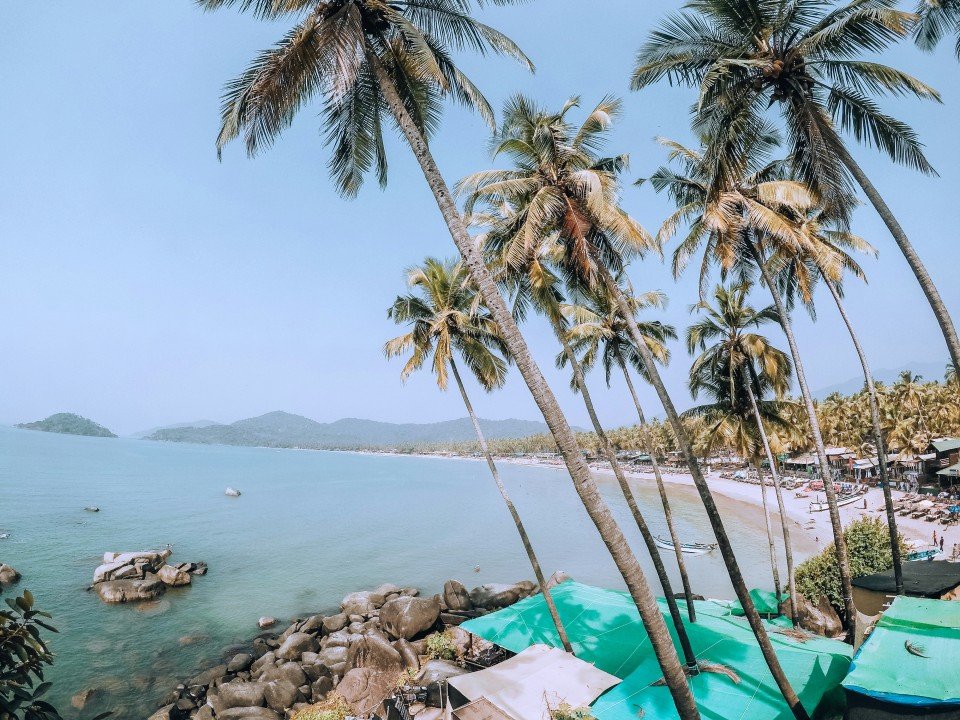
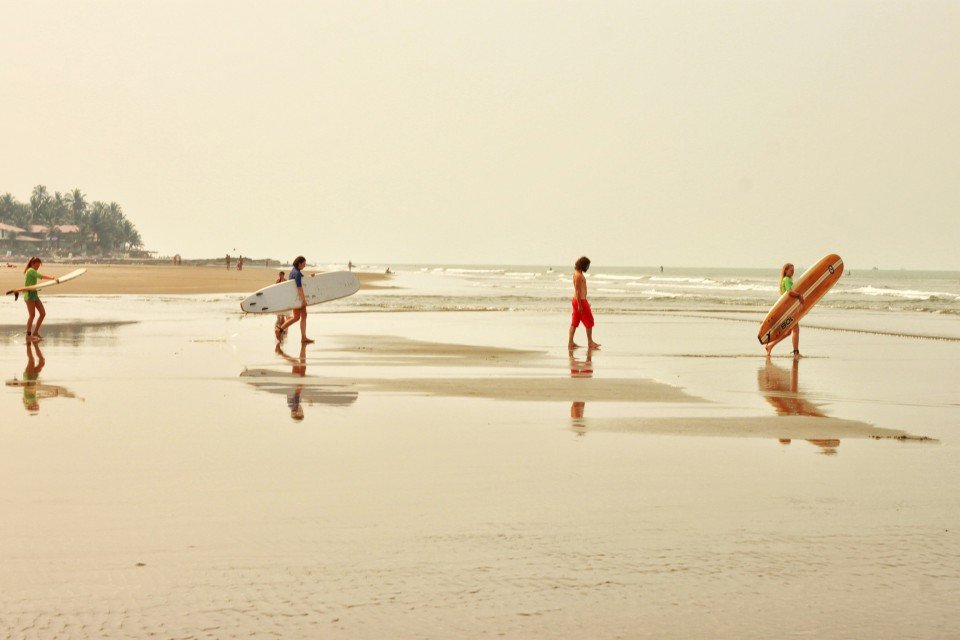
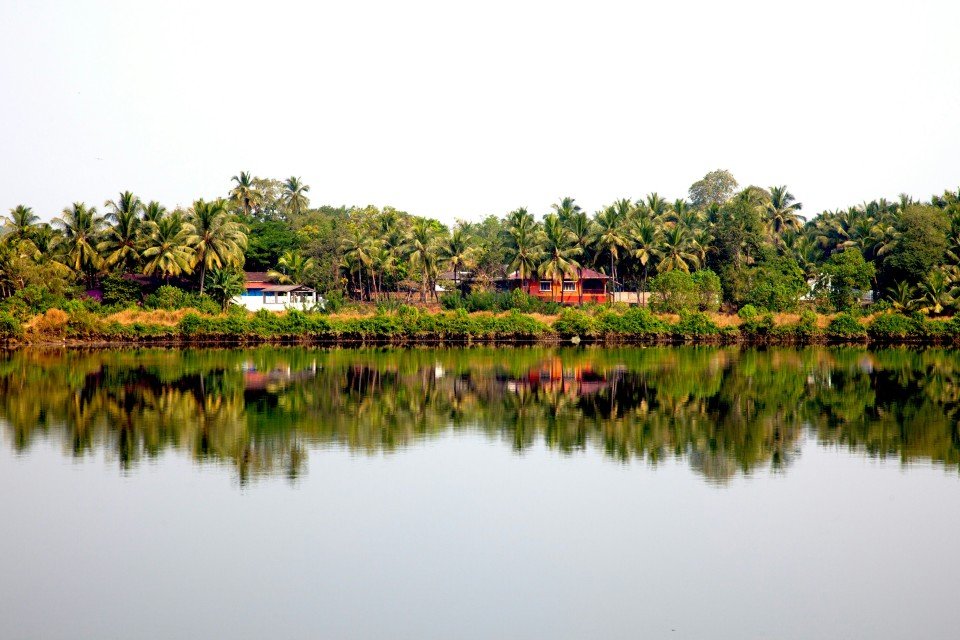
As the gateway to Goa, Mormugao is a storied city, surrounde...
The Andamans lie on the ancient trade routes between India a...
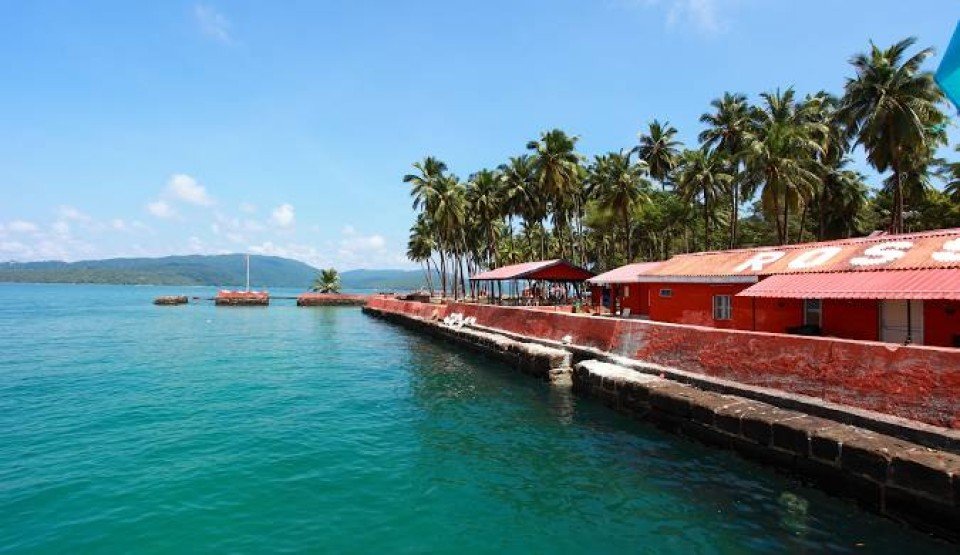
Long Island, nestled in the Andaman Islands, is a tranqui...
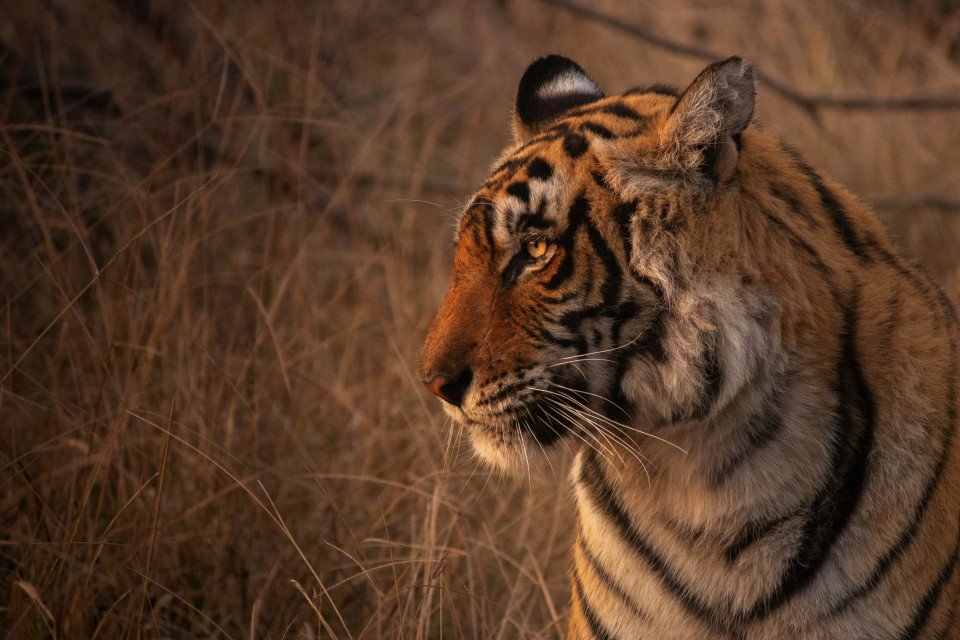
Ranthambore National Park, India, is a renowned wildlife...
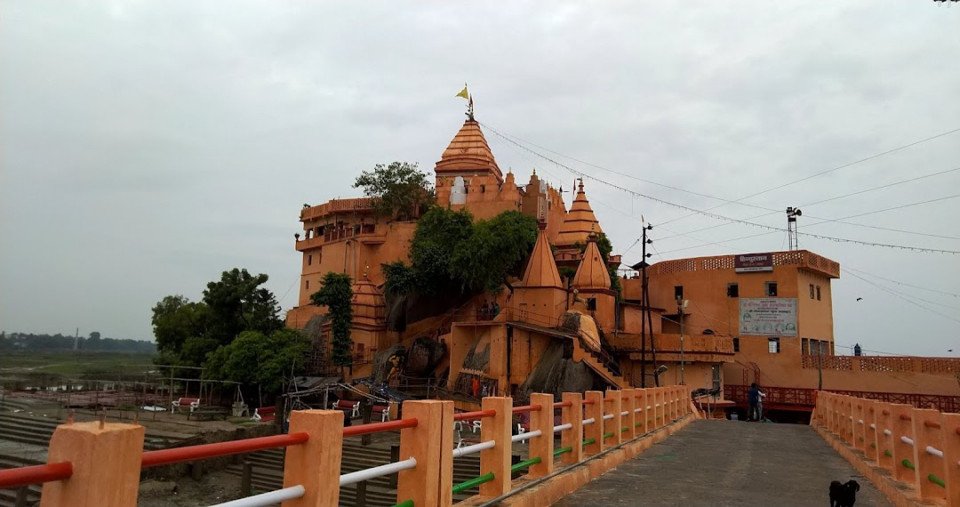
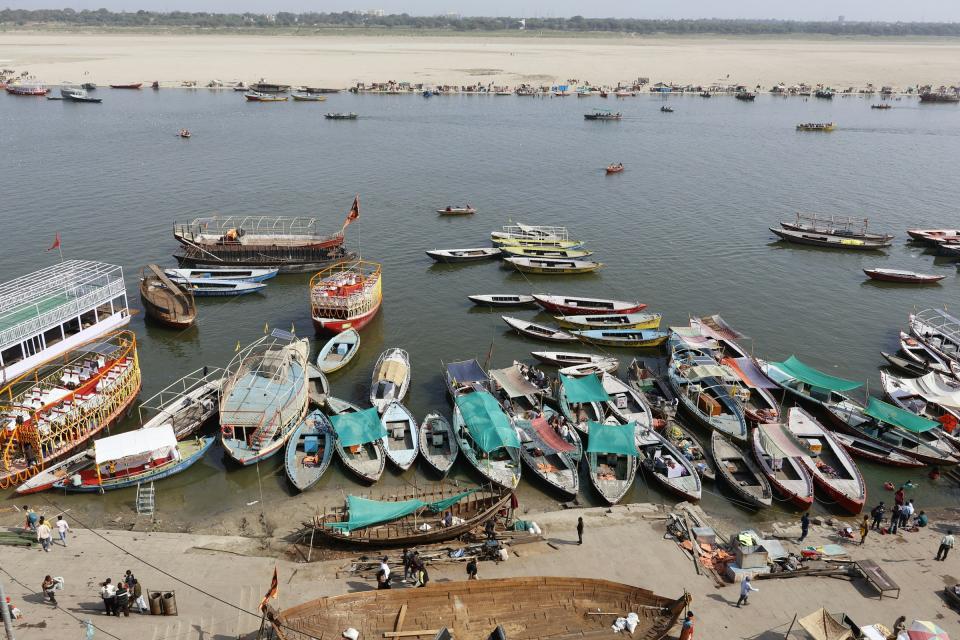
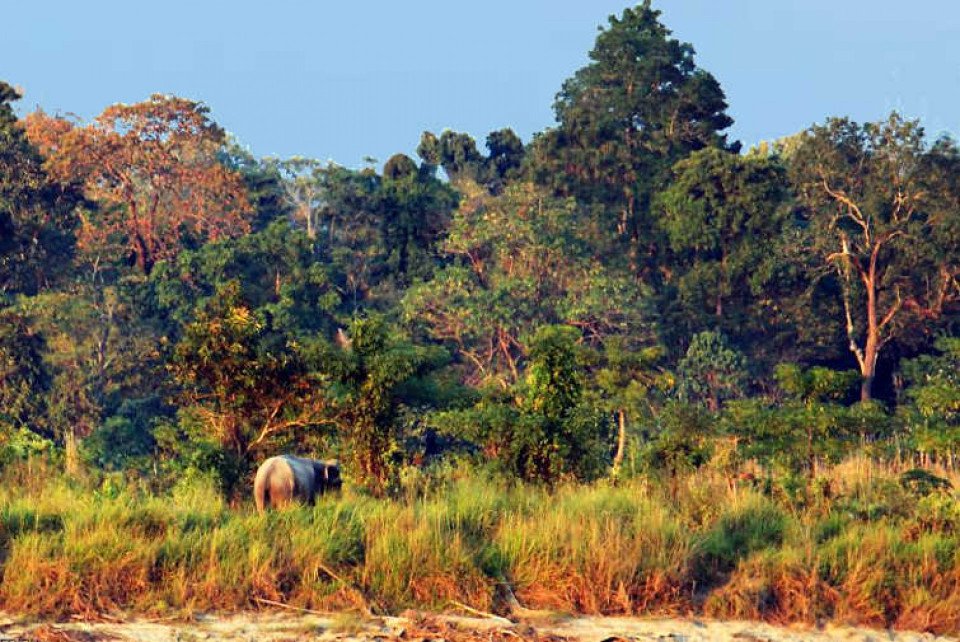
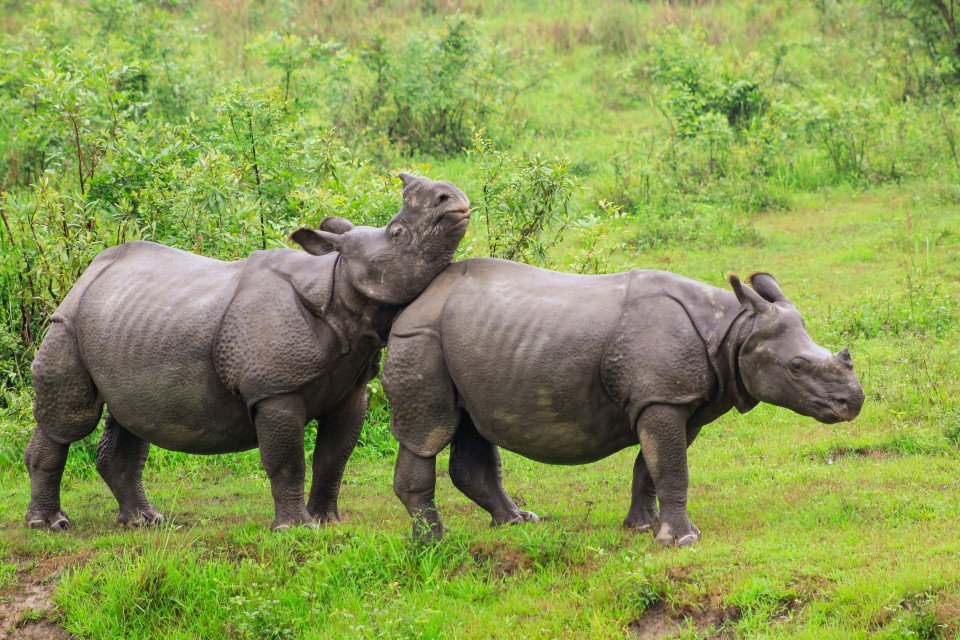
Biswanath Ghat is a port located on the Brahmaputra River...
Kolkata, the capital of West Bengal, India, is a vibrant...
Mumbai, sometimes called the Maximum City, after Suketa Meht...
As the gateway to Goa, Mormugao is a storied city, surrounde...
The Andamans lie on the ancient trade routes between India a...
Long Island, nestled in the Andaman Islands, is a tranqui...
Ranthambore National Park, India, is a renowned wildlife...
Biswanath Ghat is a port located on the Brahmaputra River...
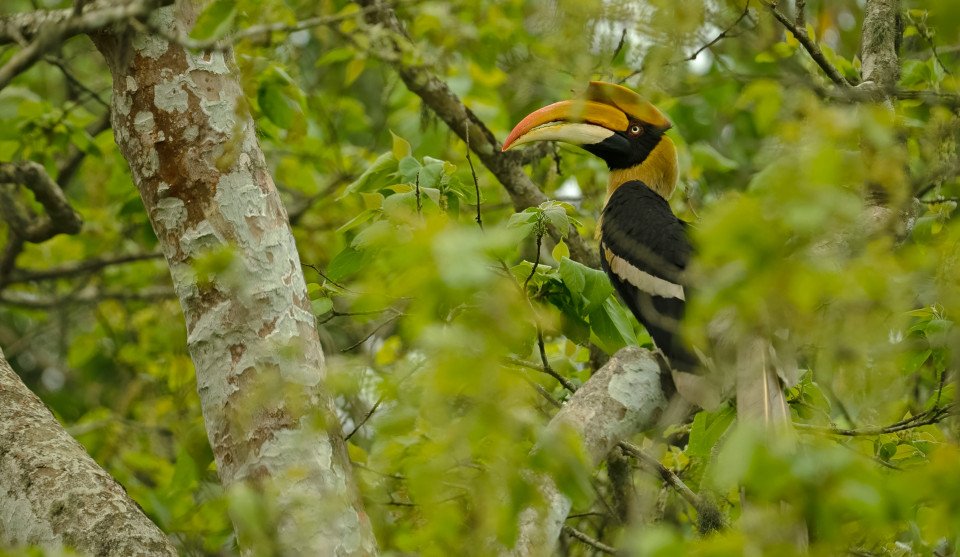
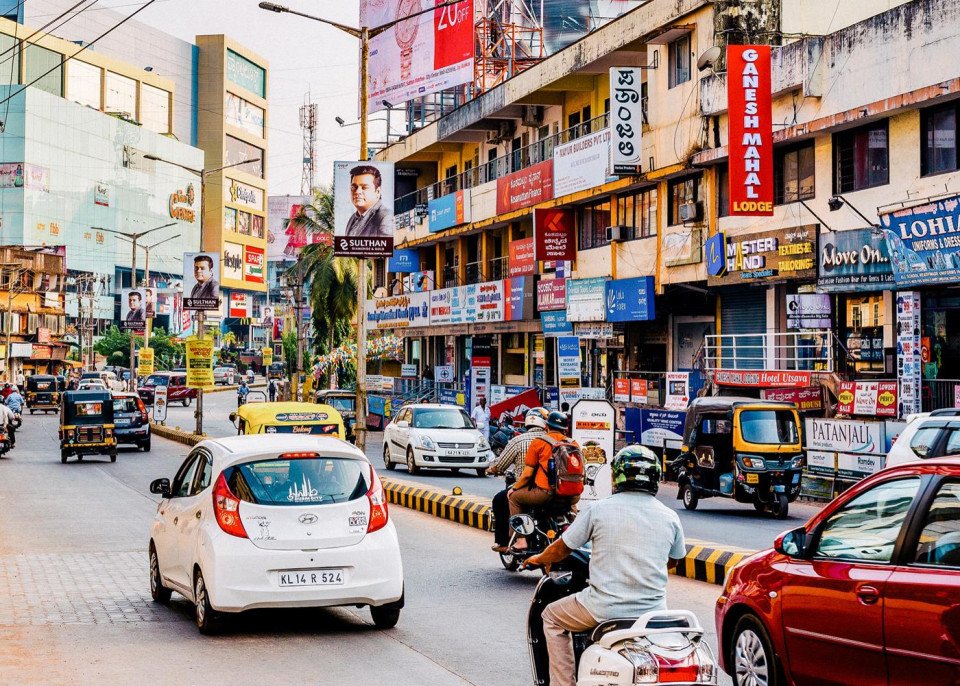
New Mangalore Port, established in 1974, is the major port of Karnataka. It has the distinction of the ninth biggest port of India. Its construction got completed in 12 years using the latest technology to provide the best port facilities. The port has been established in such a way that it can bear all kinds of climatic hazards. Mangalore is named after the goddess Mangaladevi. Mangalore is a panorama of palm-fringed beaches, lush green fields and enchanting forests. It is sheltered by the soaring western ghats on the east and the mighty Arabian sea roaring along its western shores. With an important port, this coastal town is a major commercial centre that still retains its old world charm-old tile-roofed buildings amidst coconut groves, fishing boats silhouetted against the darkening skyline, fishermen hauling in rich catch of fish, sea food served in spicy coconut curries.
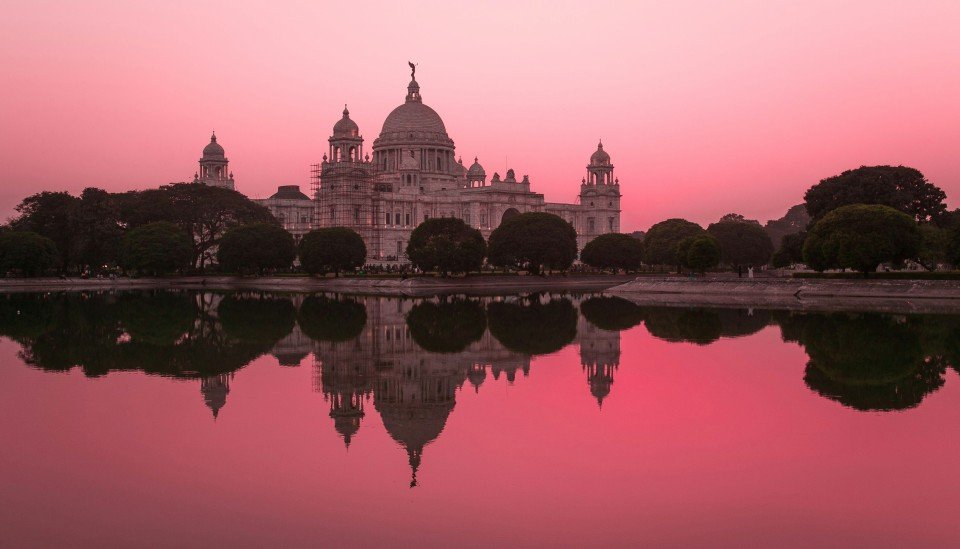
Kolkata, the capital of West Bengal, India, is a vibrant city known for its rich cultural heritage, colonial architecture, and intellectual dynamism. Often called the "City of Joy," Kolkata blends the old and new, featuring landmarks like the Victoria Memorial, Howrah Bridge, and Indian Museum alongside bustling markets and modern malls. The city's literary and artistic legacy is celebrated through numerous festivals, theaters, and galleries. Renowned for its culinary delights, Kolkata offers a diverse cuisine, from street food to Bengali sweets. Home to notable figures like Rabindranath Tagore, the city remains a hub of education, politics, and culture.
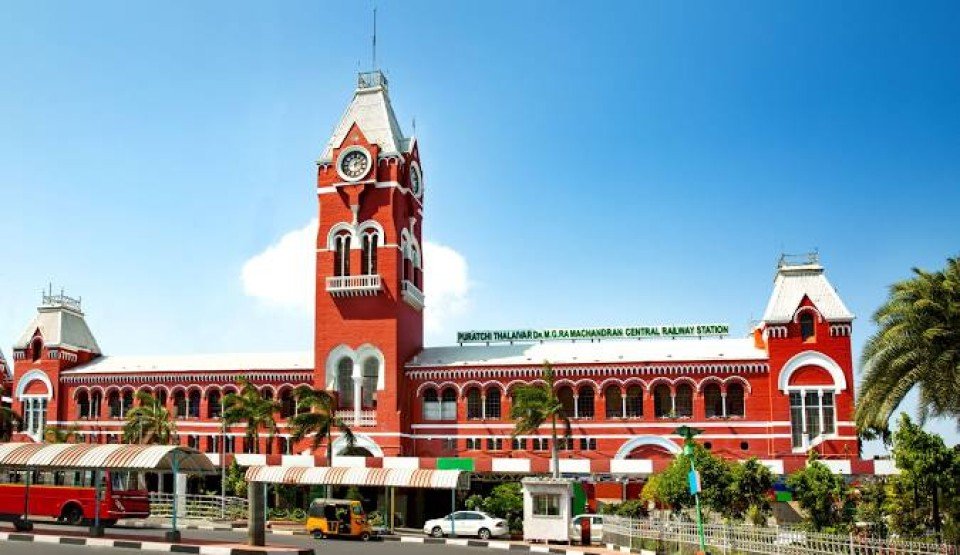
Madras was the site of the East India Company’s first settlement, founded in 1639 on land given by the Raja of Chandragiri. A small fort was built on the settlement in 1644, and a town which subsequently became known as George Town, in the area of Fort St. George was built north of it. The settlement became independent of Banten, Java in 1683 and was granted its first municipal charter in 1688 by James II. It is therefore the oldest municipal corporation in India. During the 18th and 19th centuries, when the British and French competed for supremacy in India, the city’s fortunes waned.
Mumbai, sometimes called the Maximum City, after Suketa Mehta’s 2004 nonfiction book of the same name, encapsulates the dynamism and chaos of modern India better than any other city. In this sprawling, muscular place by the sea that you'll find everything from succulent street food to haute cuisine, bargain-basement bazaars to haute couture, humbling poverty to staggering wealth, sacred temples to hedonistic nightclubs. Mumbai is in many ways the New York City of India, and the many of the locals carry the same kind of chip on their shoulders—despite the madness, they wouldn’t trade it for any other place on Earth.Mumbai is a city of extremes, where slum-dwelling strivers making dollars a day serve Bollywood stars and industrial billionaires. It's a 24-hour city stocked with some of the best late-night street food in the world, as well as fine-dining restaurants of renowned chefs. It's a cosmopolitan city of people from all over India that's nonetheless home to strident parochialism. It's a city of dreams for millions of Indians that, at the same time, affords so few any measure of comfort. And it's a beautiful city of silver towers when viewed by twilight from the Bandra-Worli Sea Link bridge over the Arabian Sea, but that sight quickly turns into a maze of winding, dirty streets and alleys when viewed up close.Sensory overload is the name of the game on the island formerly known as Bombay (and yes, most locals still call it by its previous moniker). The first thing that hits you when you arrive at the airport is the smell—spicy, fishy, and, to be honest, often not altogether pleasant. Next comes a crazed cab ride through the seemingly lawless streets (should your driver run a red light or, just as likely, drive on the wrong side of the road, try to remain calm). Then a traffic jam in the midst of a veritable symphony of honking, in which barefoot children, often holding infants, and tragically disfigured men and women knock at your window, begging for change. Persevere through, though; embrace and try to understand the natural hazards of the developing world, and you'll find yourself in the middle of a beautiful, often inspiring city.
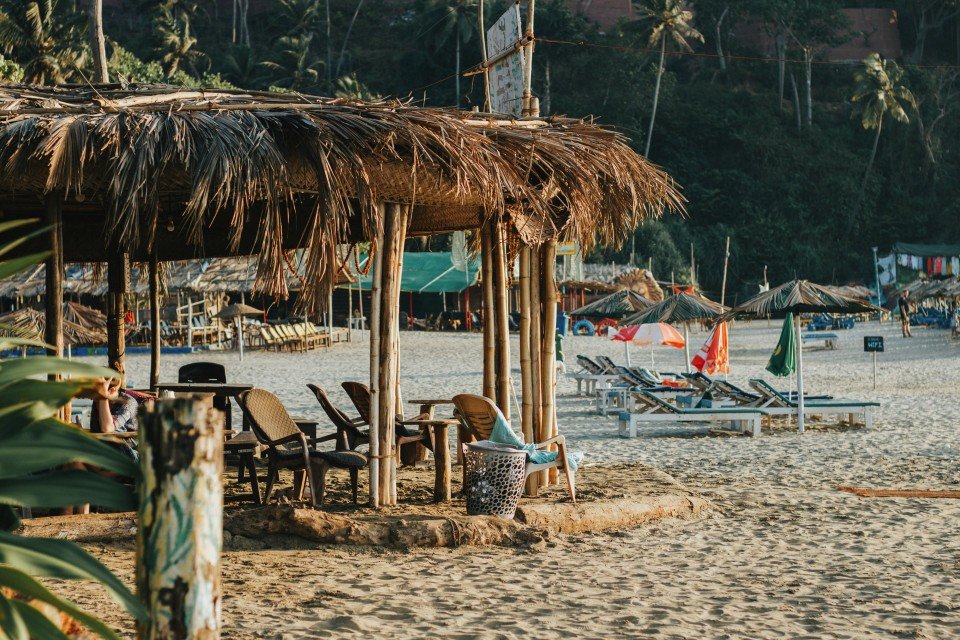
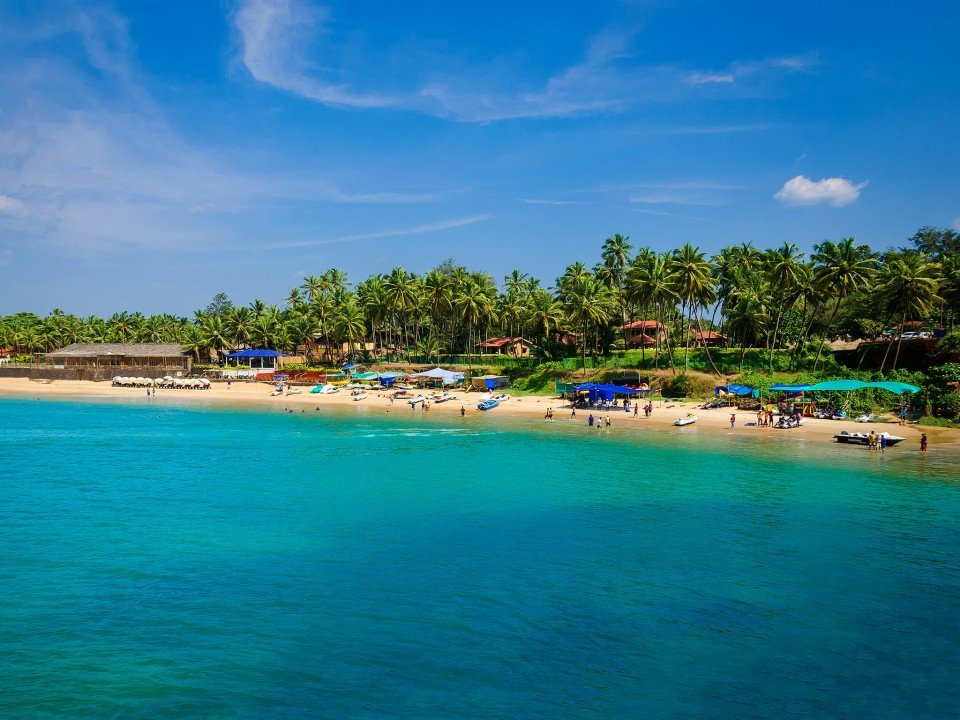
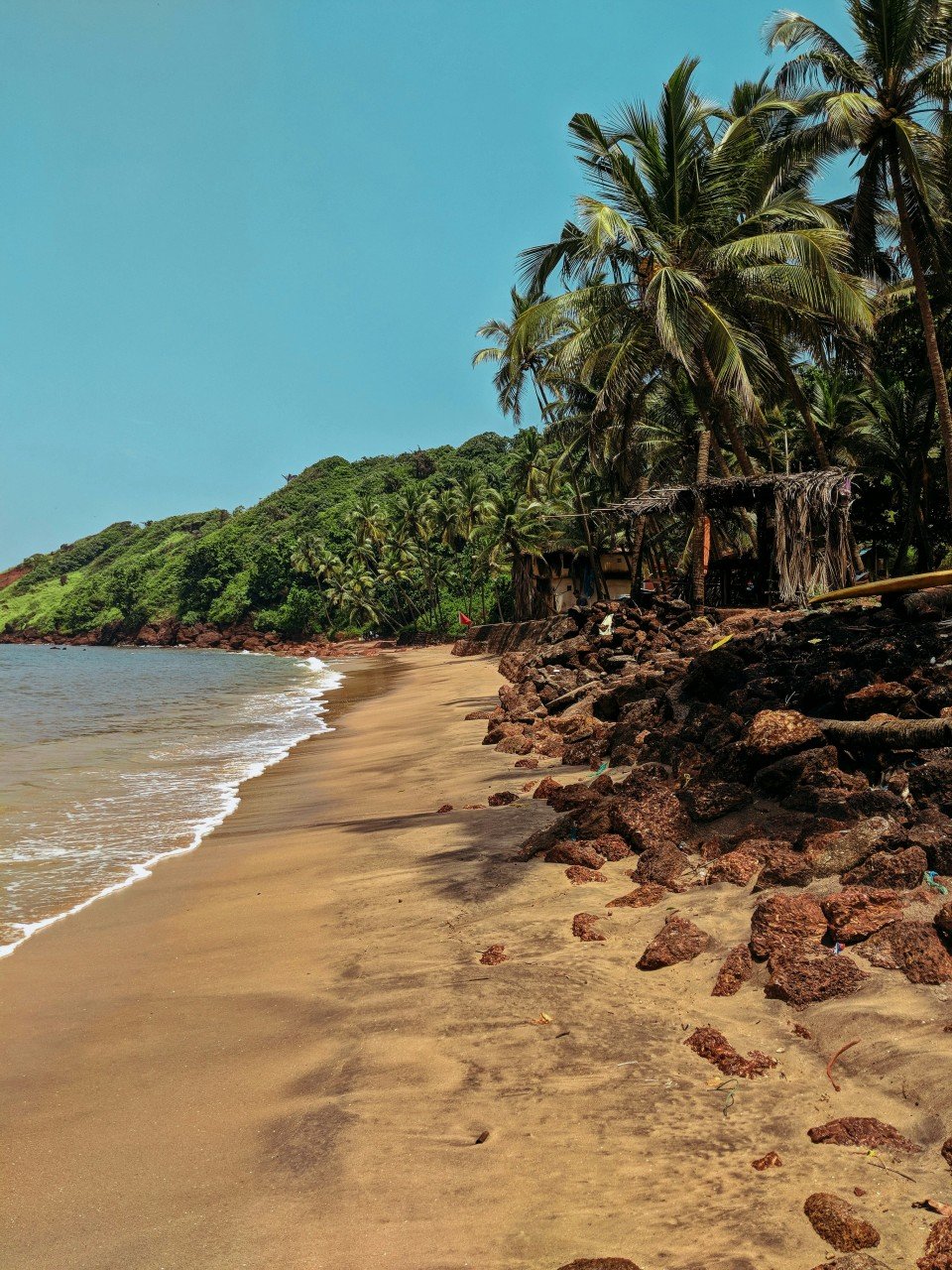
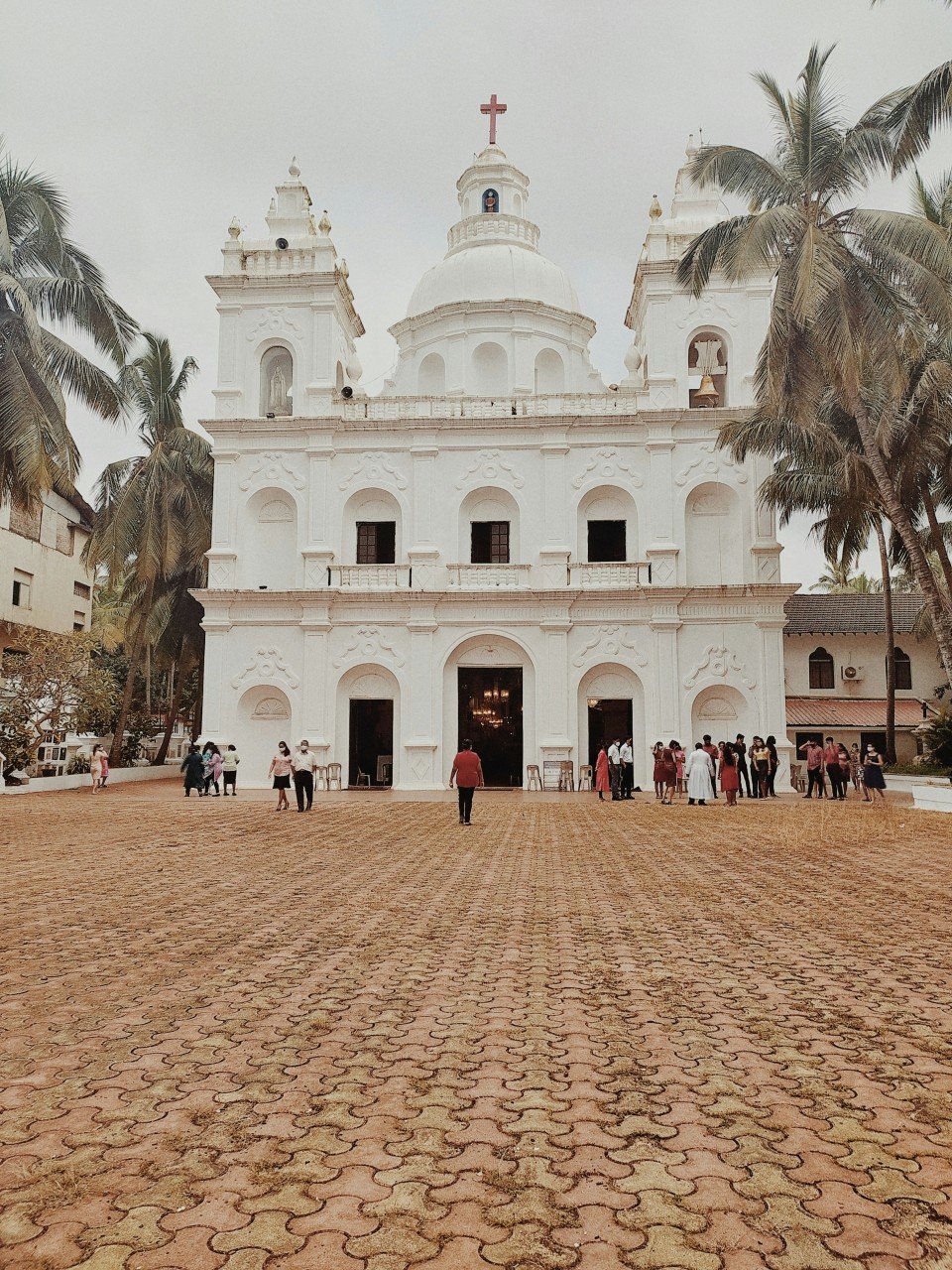
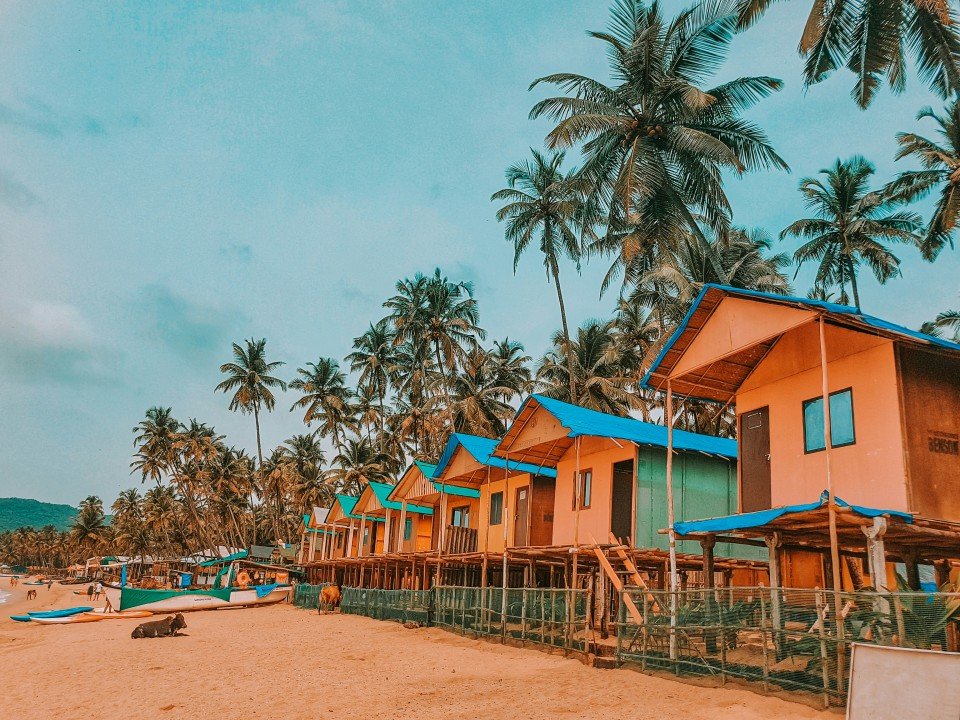
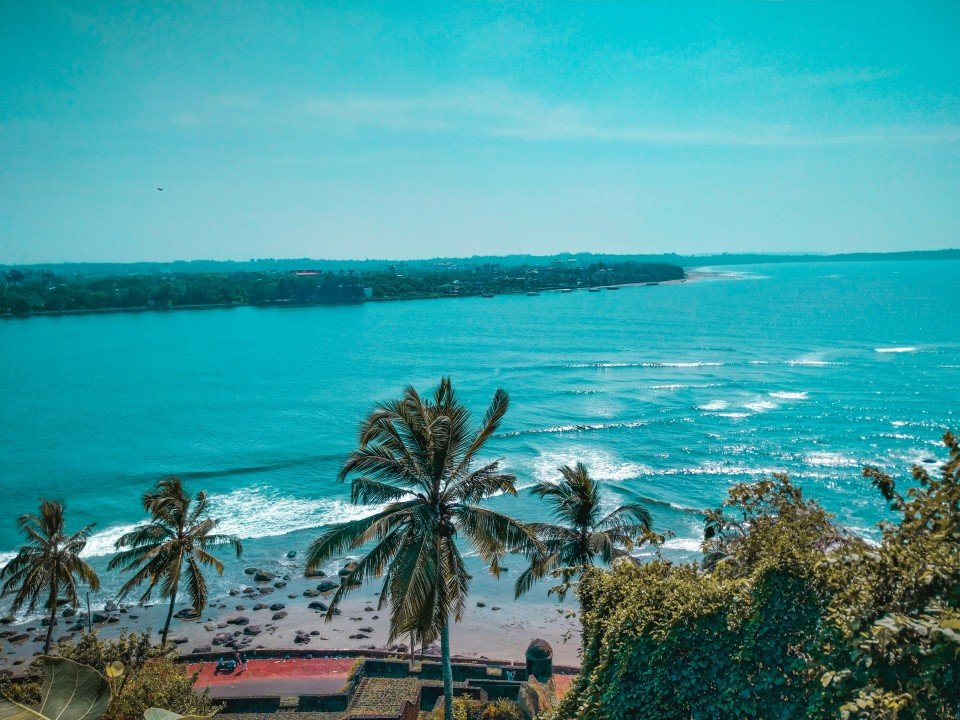
As the gateway to Goa, Mormugao is a storied city, surrounded by beaches, fascinating heritage sites, and ocean-wary fortifications. As a former capital of Portuguese India, the colonisers who landed here embarked on an extensive programme of fortification, springing up defences along the region's pretty beaches. Mormugao was also an important location for the spread of Christianity, with significant missionaries landing here including Saint Francis Xavier - whose final resting place can be found in Old Goa.
The Andamans lie on the ancient trade routes between India and the Far East. They were known to mariners from as early as the 7th century. Among the first western visitors in the 13th century was Marco Polo, who wrote of the inhabitants as being “hostile people who would kill and eat any outsider that ventured onto the islands". However, it was later established that cannibalism was not a practice in the islands. The islands were first settled by the British in the late 18th century when Captain Archibald Blair, on behalf of the British East India Company, founded a naval station on Chatham Island, now known as Port Blair. In 1858 a penal colony was established in Port Blair, used mainly to hold Indian freedom fighters. The clearing of jungle areas and reclaiming of swamps by these first convicts gradually helped to establish a settlement. The growing population consisted mostly of convicts who, after they served their time, decided to stay and settle in the Andamans. During World War II, the islands were occupied by the Japanese, who incarcerated many Indians on the suspicion of being British spies. As a result the local tribes took up guerrilla activities against the Japanese. When India gained independence from Britain in 1947, the islands became part of the Indian Union.
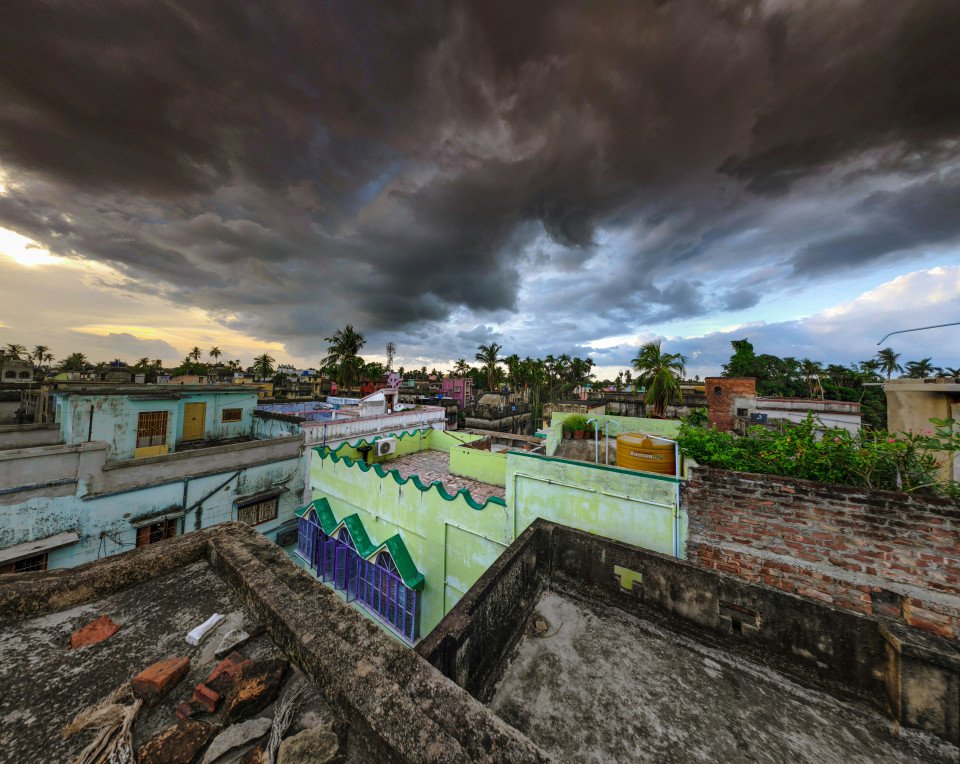
Matiari is a quaint village in West Bengal, India, renowned for its traditional craftsmanship and serene rural charm. Known particularly for its exquisite brass and copperware, Matiari is a hub for skilled artisans who create intricate handmade items, reflecting the region's rich cultural heritage. The village's picturesque landscape, dotted with lush fields and small water bodies, provides a tranquil backdrop to its vibrant local culture. Matiari offers a glimpse into the timeless traditions and simple, harmonious lifestyle of rural Bengal, making it a unique destination for those interested in folk art and the serene beauty of the Indian countryside.
Kochi, formerly and still commonly known as Cochin, is one of the west coast's largest and oldest ports. The streets behind the docks of the historic Fort Cochin and Mattancherry districts are lined with old merchant houses, godowns (warehouses), and open courtyards heaped with betel nuts, ginger, peppercorns, and tea. Throughout the second millennium this ancient city exported spices, coffee, and coir (the fiber made from coconut husks), and imported culture and religion from Europe, China, and the Middle East. Today Kochi has a synagogue, several mosques, Portuguese Catholic churches, Hindu temples, and the United Church of South India (an amalgamation of several Protestant denominations). The city is spread out over mainland, peninsula, and islands. Ernakulam, on the mainland 2 km (3 miles) from the harbor, is the commercial center and the one-time capital of the former state of Cochin. Willingdon Island, which was created by dredging the harbor, holds several luxury hotels as well as a navy base. The beautiful Bolghatty Island, north of Ernakulam, is a favorite picnic spot for locals. On it there's a government-run hotel in a colonial structure that was once used by the Dutch governor and later by the British Resident. Another local favorite is Cherai beach on Vypin Island, which is a 10-minute ferry ride from Fort Cochin. The Fort Cochin district, Kochi's historic center, is at the northern tip of the Mattancherry peninsula. Houses here often recall Tudor manors; some have been converted to hotels, others remain in the hands of the venerable tea and trading companies. South of Fort Cochin, in the Mattancherry district, is where you'll find the city's dwindling Jewish community. Their small neighborhood, called Jew Town, which is now dotted with cafés and shops selling curios and antiques, is centered on the synagogue.
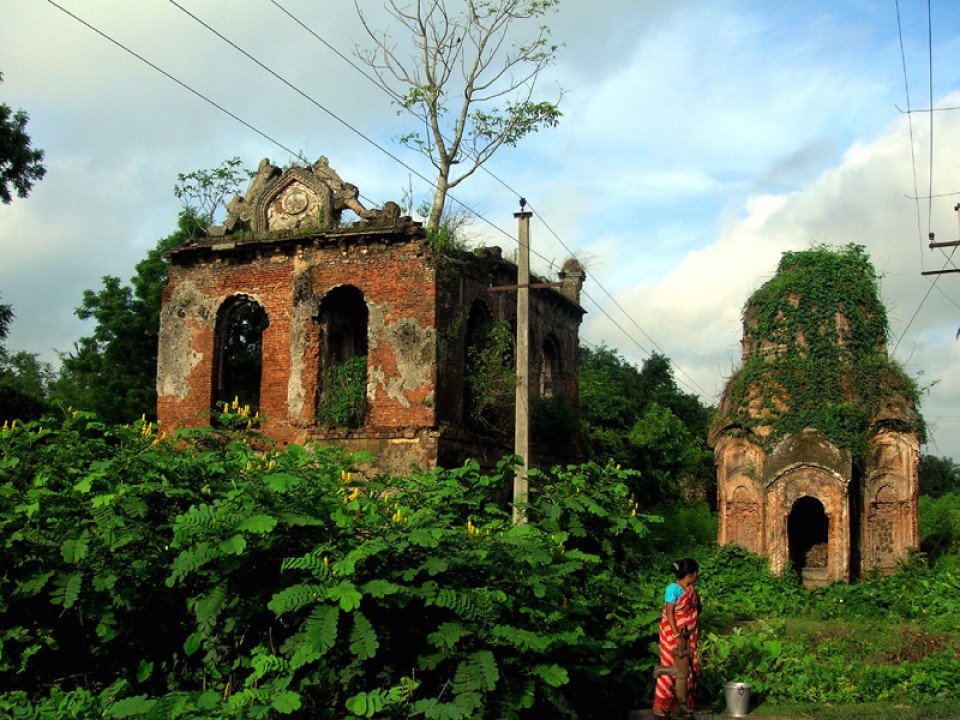
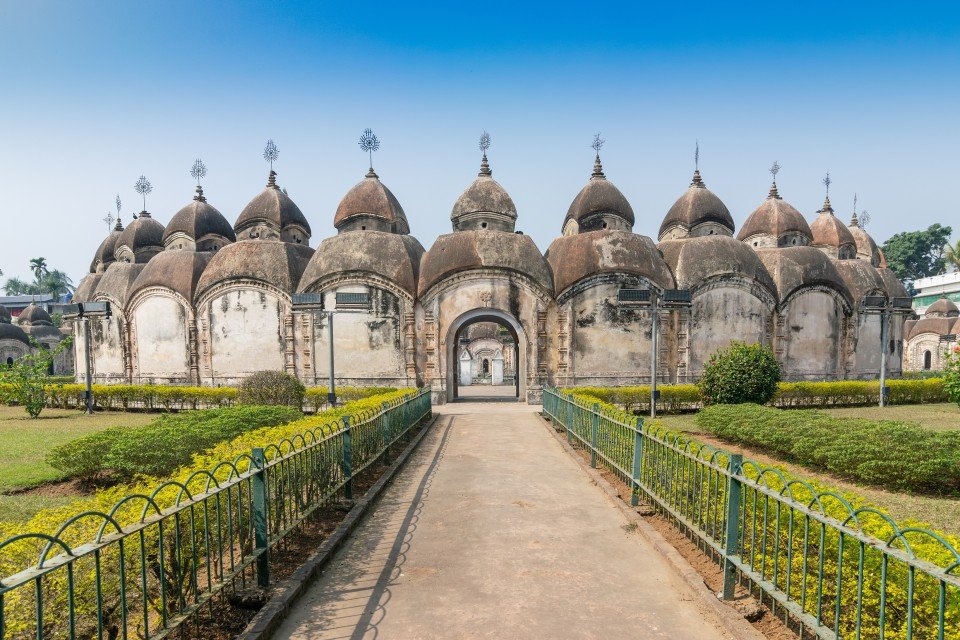
Kalna, also known as Ambika Kalna, is a picturesque town in West Bengal, India, renowned for its stunning terracotta temples and historical significance. Nestled on the banks of the Bhagirathi River, Kalna showcases a rich blend of culture and history. Key attractions include the Rajbari complex, which houses exquisite temples like the 108 Shiva Temples and the intricate Terracotta Temples. The town is also famous for its beautiful gardens and serene riverbanks. Kalna's vibrant local festivals and traditional crafts reflect its deep-rooted heritage, making it a fascinating destination for history enthusiasts and cultural explorers.
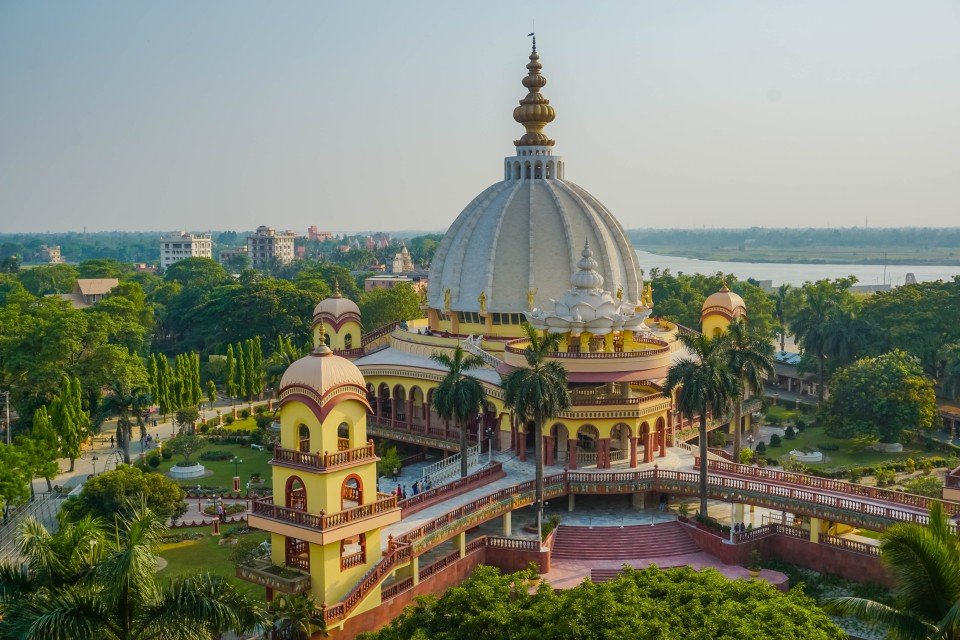
Mayapur, located in West Bengal, India, is a spiritual haven renowned as the birthplace of Chaitanya Mahaprabhu, the founder of the Gaudiya Vaishnavism tradition. Situated at the confluence of the Ganges and Jalangi rivers, Mayapur is a global center for the International Society for Krishna Consciousness (ISKCON). The town attracts devotees and tourists with its serene ambiance, the grand ISKCON Chandrodaya Temple, and vibrant religious festivals. The peaceful environment, devotional music, and lush greenery make Mayapur a sacred destination for those seeking spiritual growth and tranquility, offering a deep connection to the rich traditions of Hinduism.
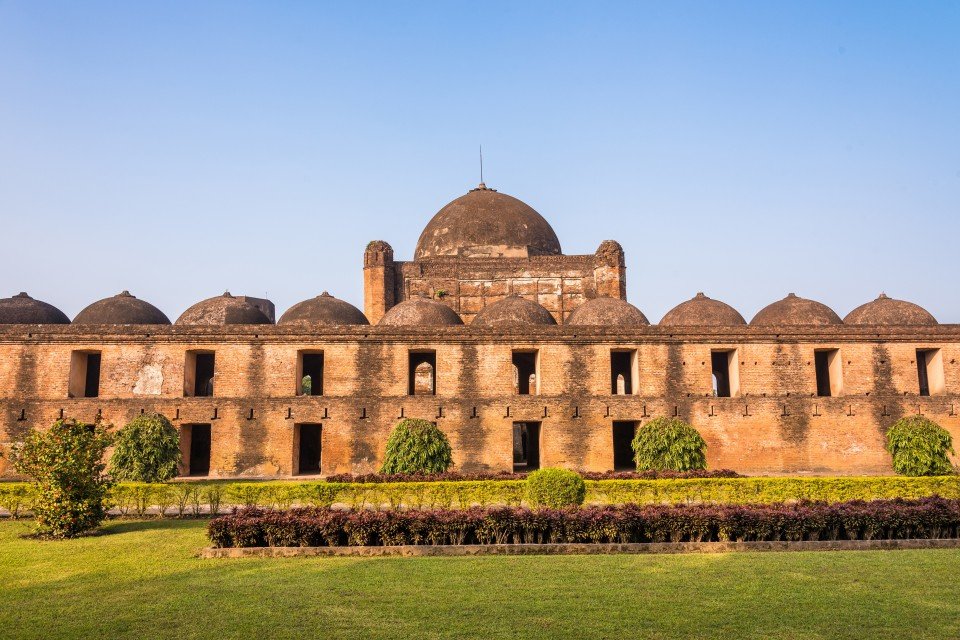
Murshidabad, located in West Bengal, India, is a historic city steeped in rich cultural heritage and architectural grandeur. Once the capital of Bengal during the Mughal era, it is home to the stunning Hazarduari Palace, known for its thousand doors, and the majestic Katra Mosque. The city's landscape is adorned with splendid nawabi architecture, gardens, and ancient tombs. Murshidabad's vibrant history is reflected in its bustling markets and traditional silk weaving industry. The serene banks of the Bhagirathi River add to its charm, making Murshidabad a captivating destination for history buffs and cultural enthusiasts alike.
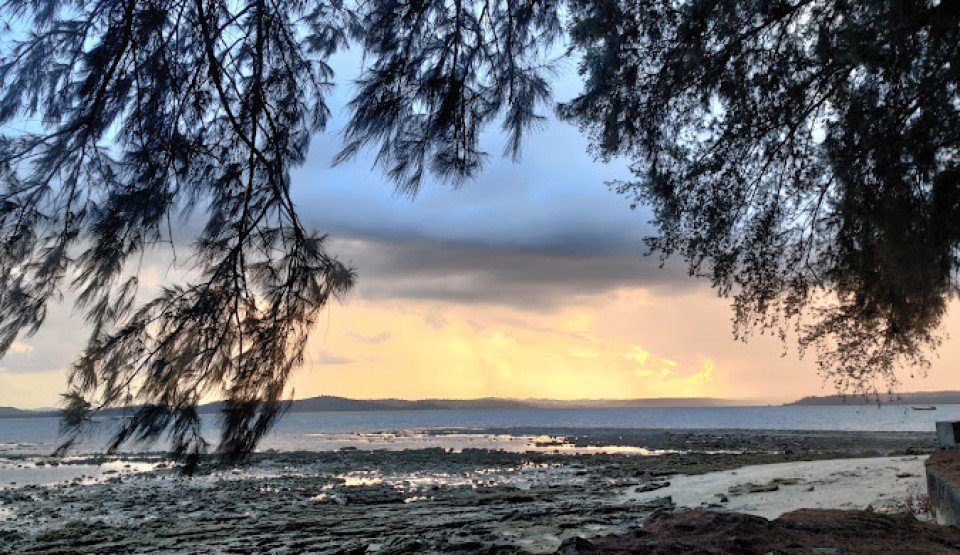
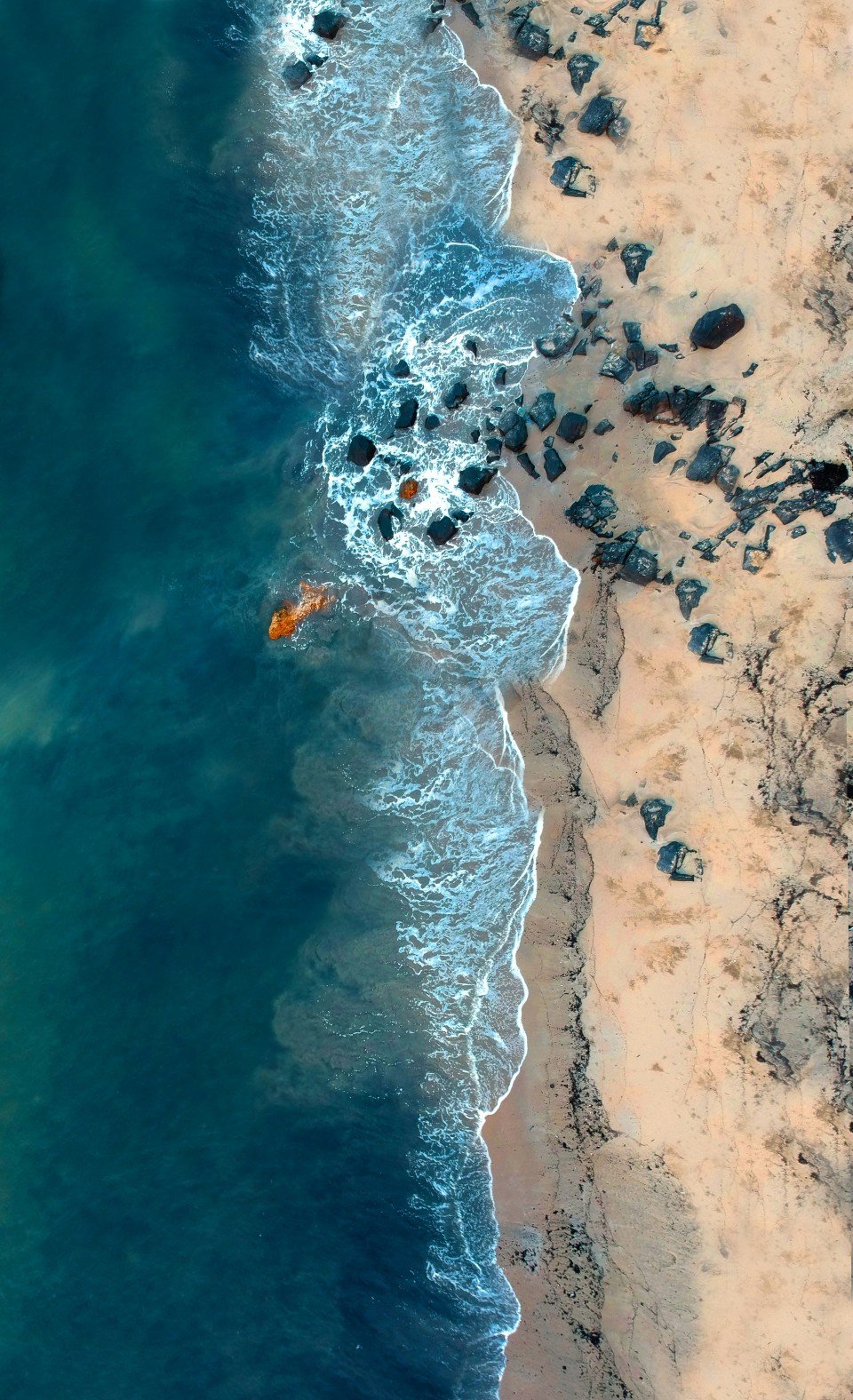
Long Island, nestled in the Andaman Islands, is a tranquil paradise known for its pristine beaches and lush tropical forests. This serene destination offers visitors a chance to escape the hustle and bustle of city life and immerse themselves in nature. With stunning spots like Lalaji Bay and Merk Bay, Long Island is ideal for swimming, snorkeling, and sunbathing. The island is also home to a variety of flora and fauna, making it a great spot for nature enthusiasts and wildlife lovers. Accessible by boat from other islands, Long Island provides a peaceful retreat with a laid-back atmosphere, where visitors can unwind and explore the untouched beauty of the Andaman archipelago.
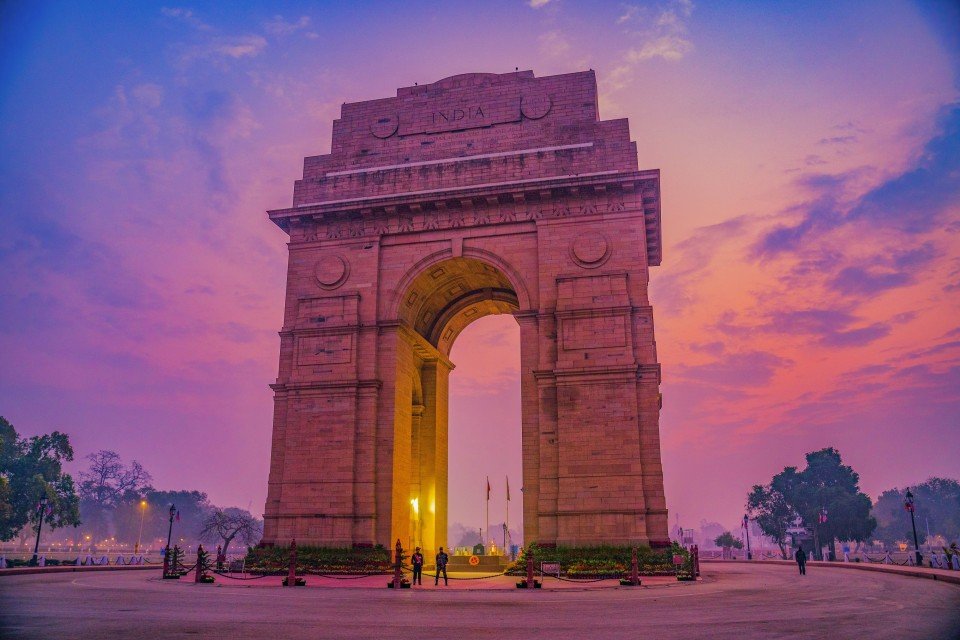
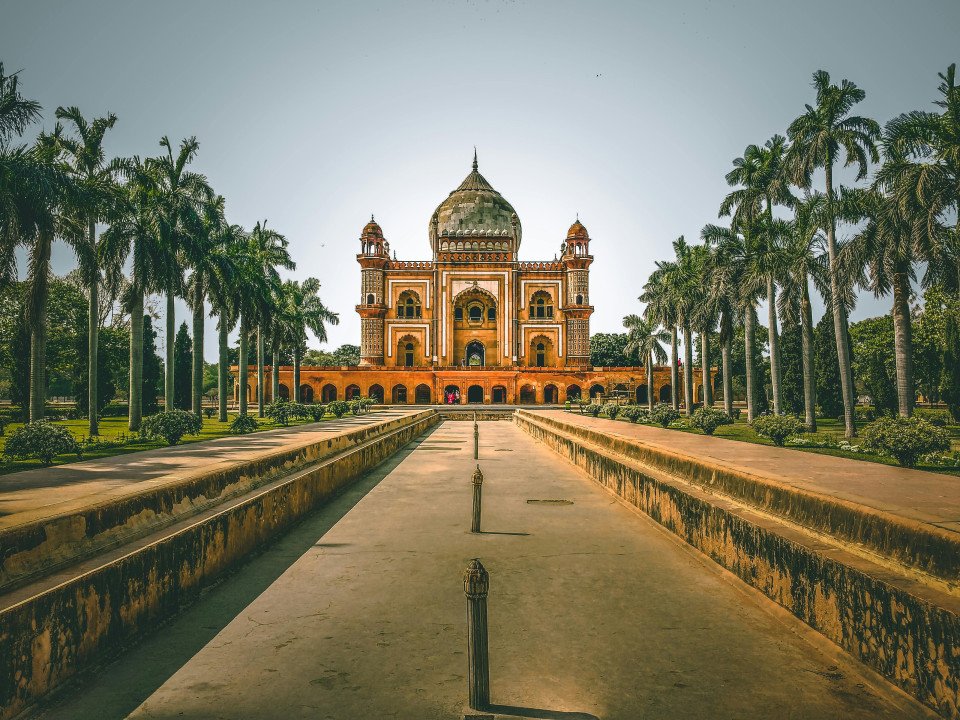
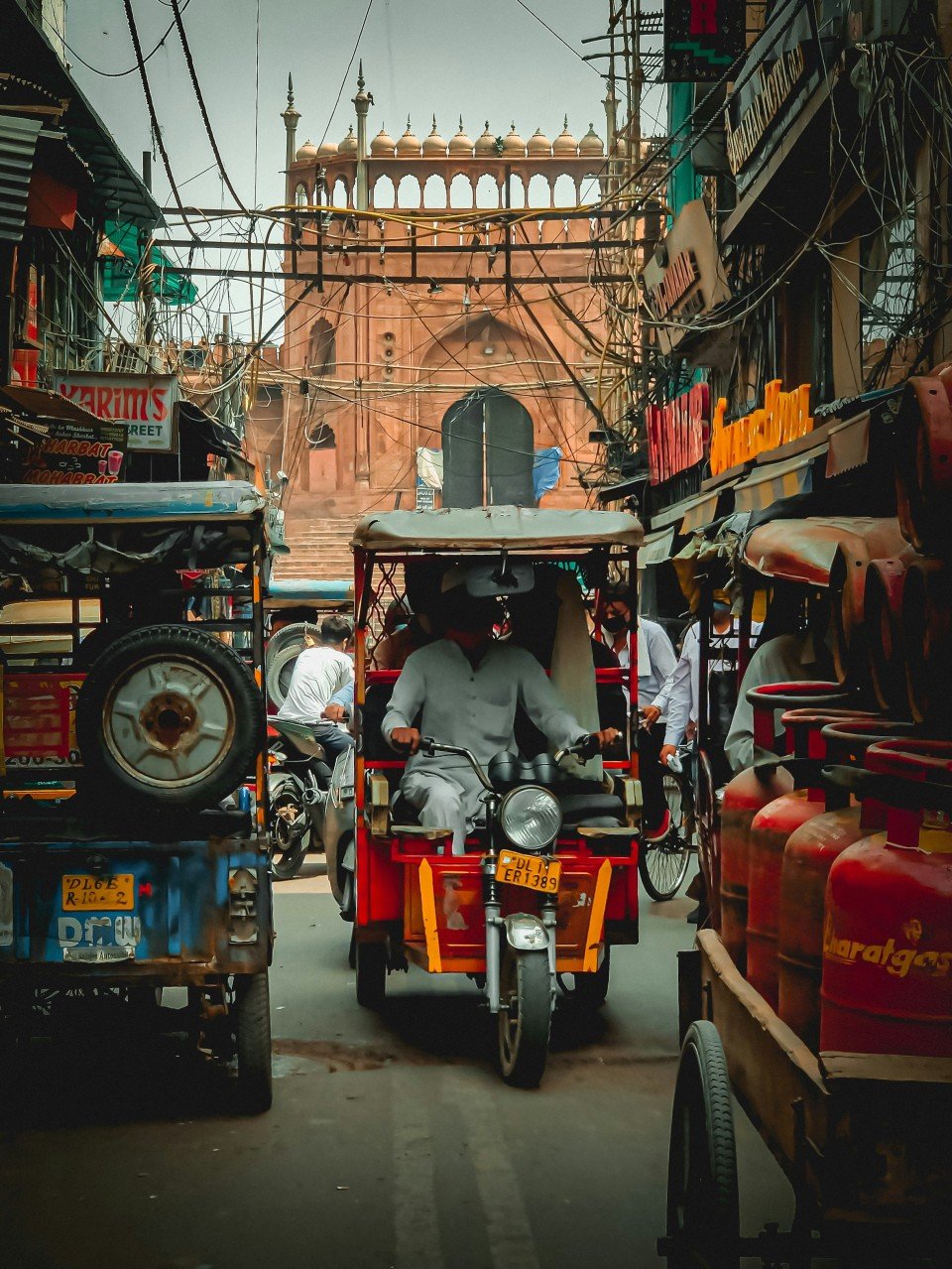
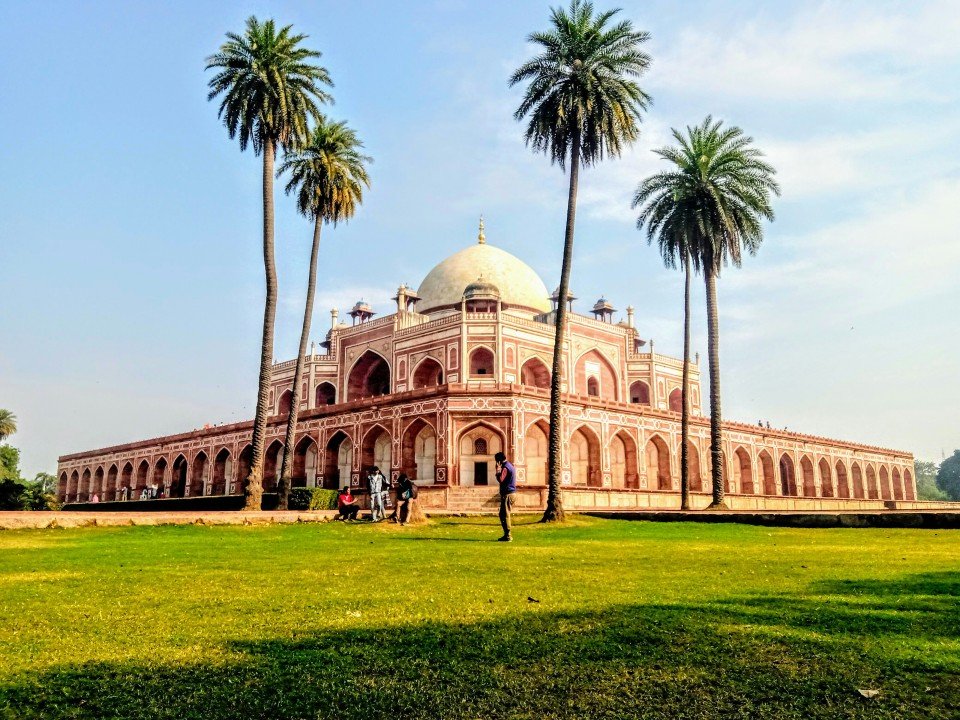
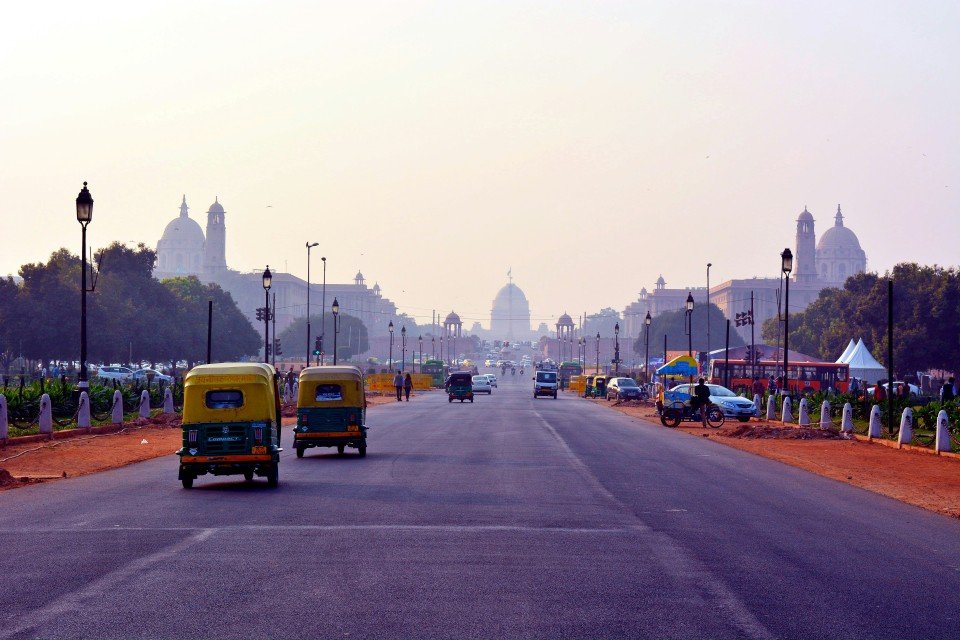
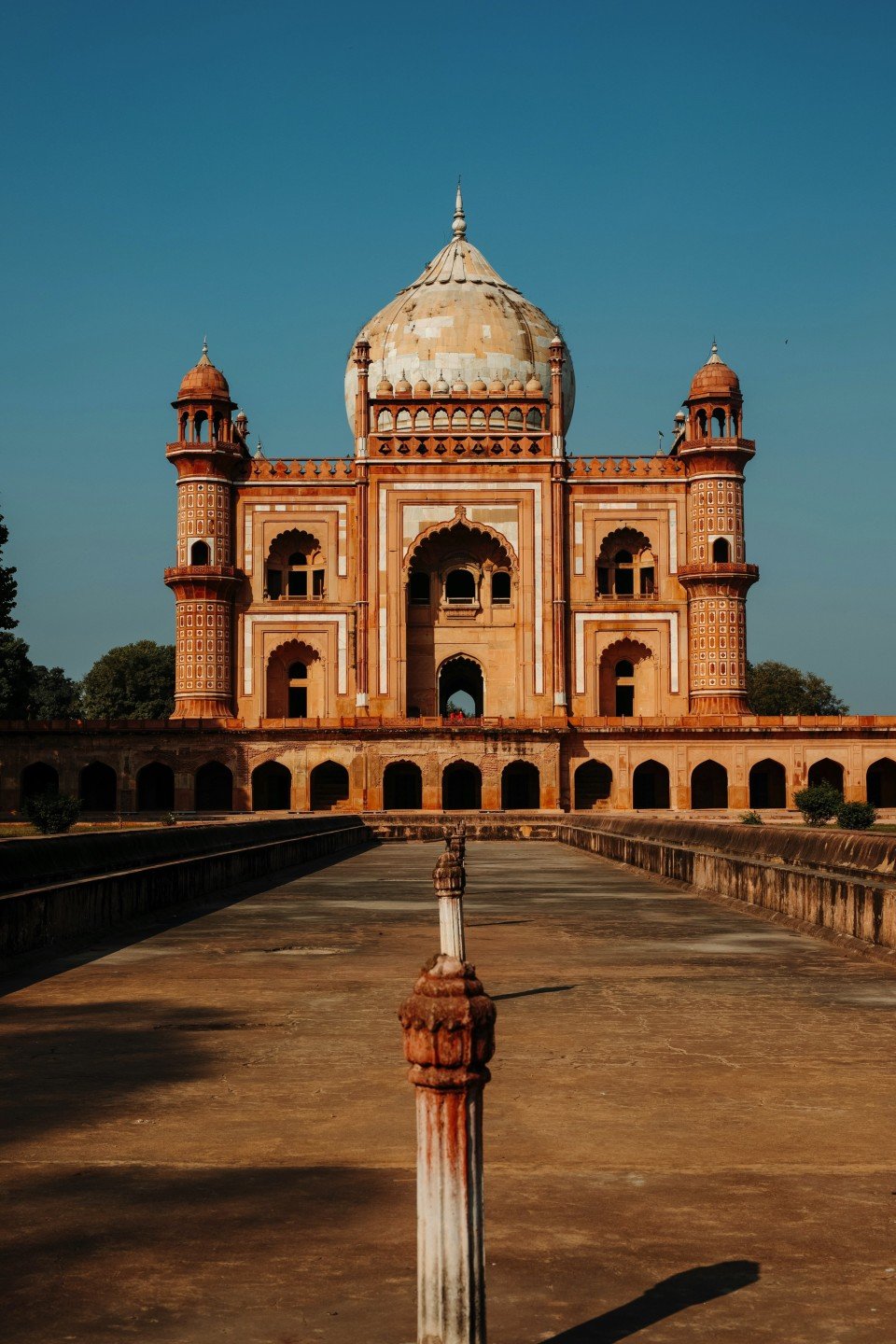
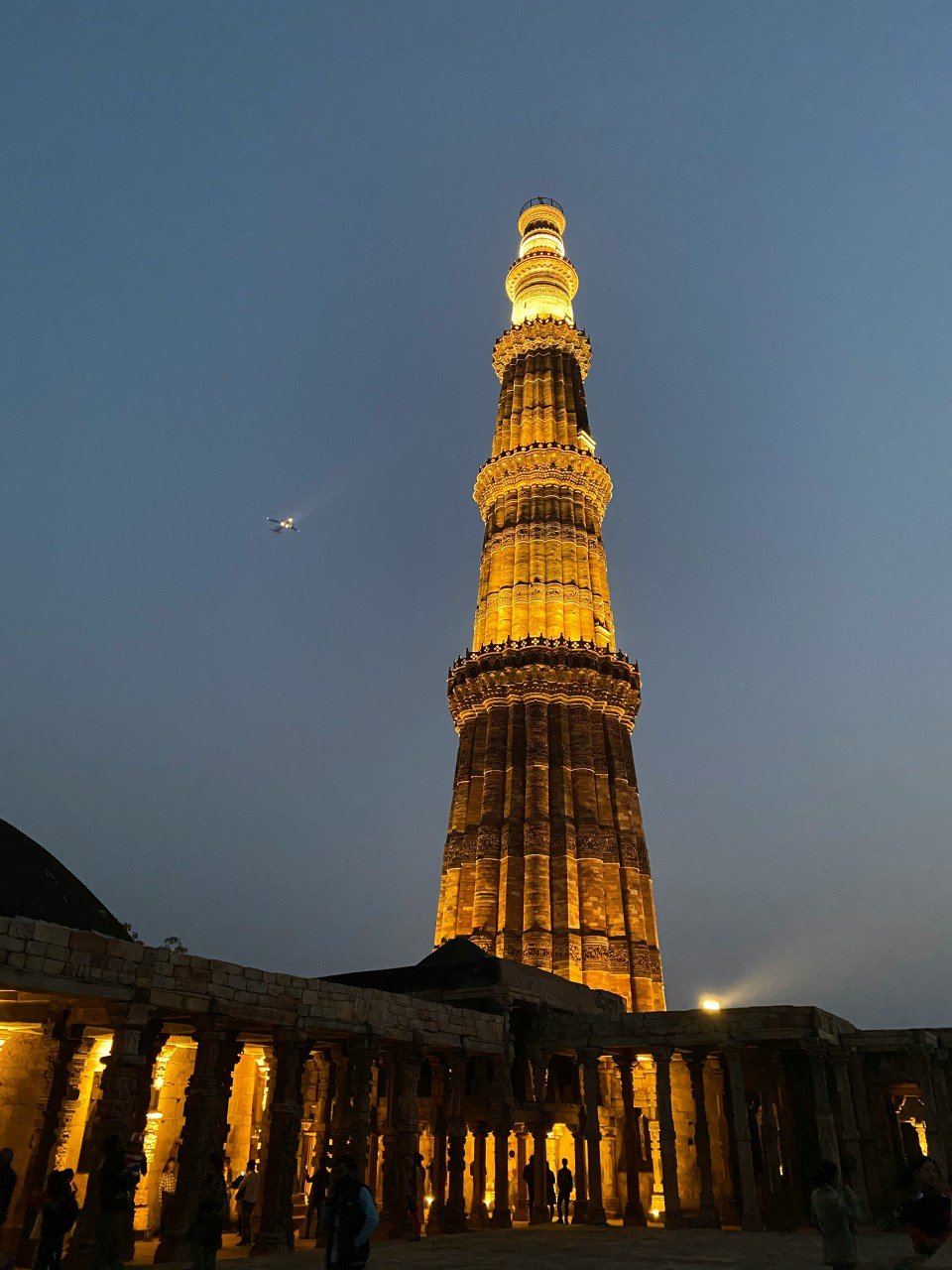
New Delhi, the capital of India, is a bustling metropolis blending rich history with modernity. Known for its grand architecture, New Delhi houses iconic landmarks like India Gate, Rashtrapati Bhavan, and Qutub Minar, a UNESCO World Heritage Site. The city showcases the Mughal legacy through monuments like Humayun's Tomb and the Red Fort. New Delhi is also a cultural hub, hosting vibrant festivals, diverse cuisines, and bustling markets like Chandni Chowk. As the political and administrative heart of India, it features wide avenues, lush gardens, and a dynamic urban lifestyle, embodying the essence of contemporary India.
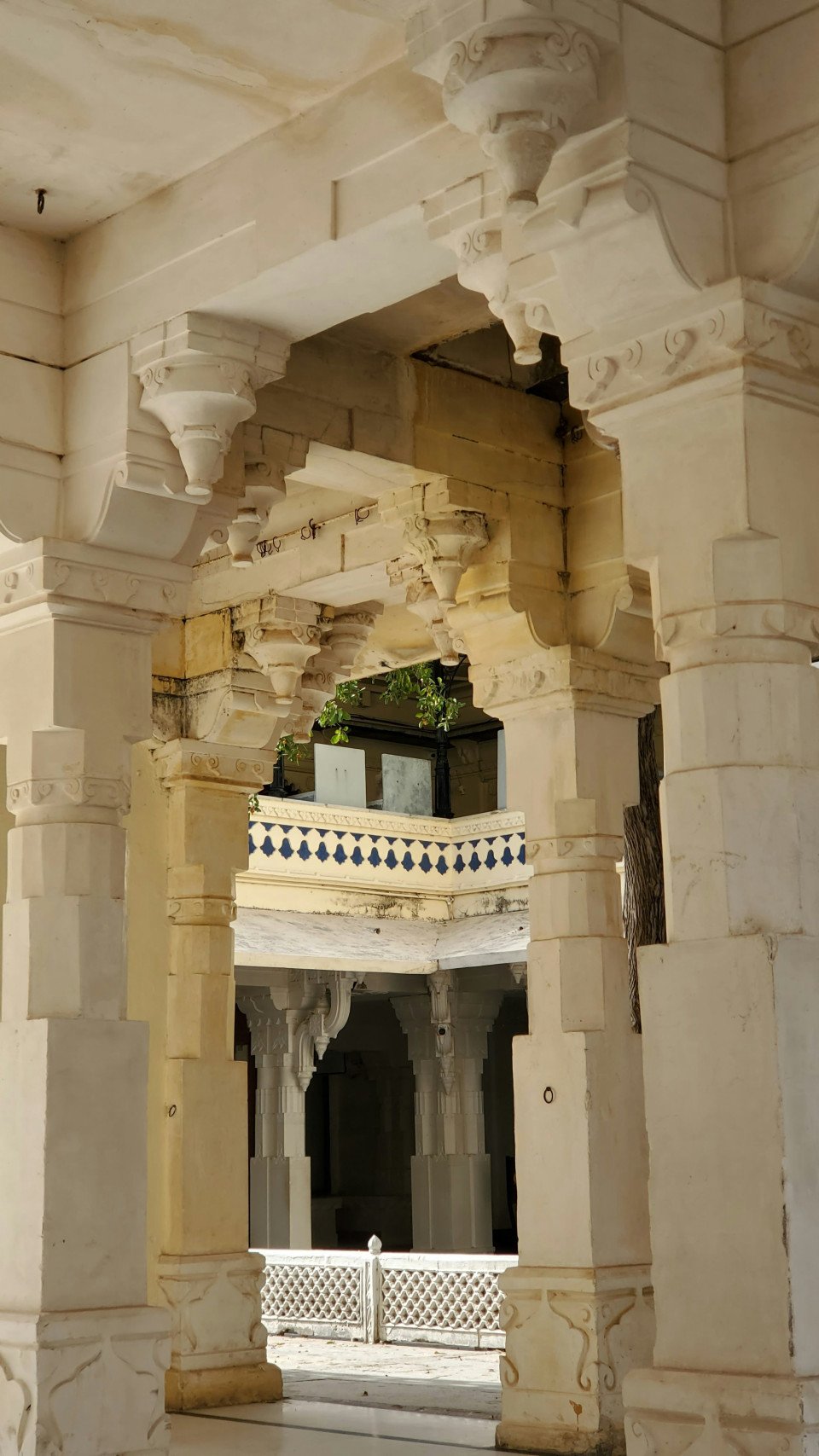
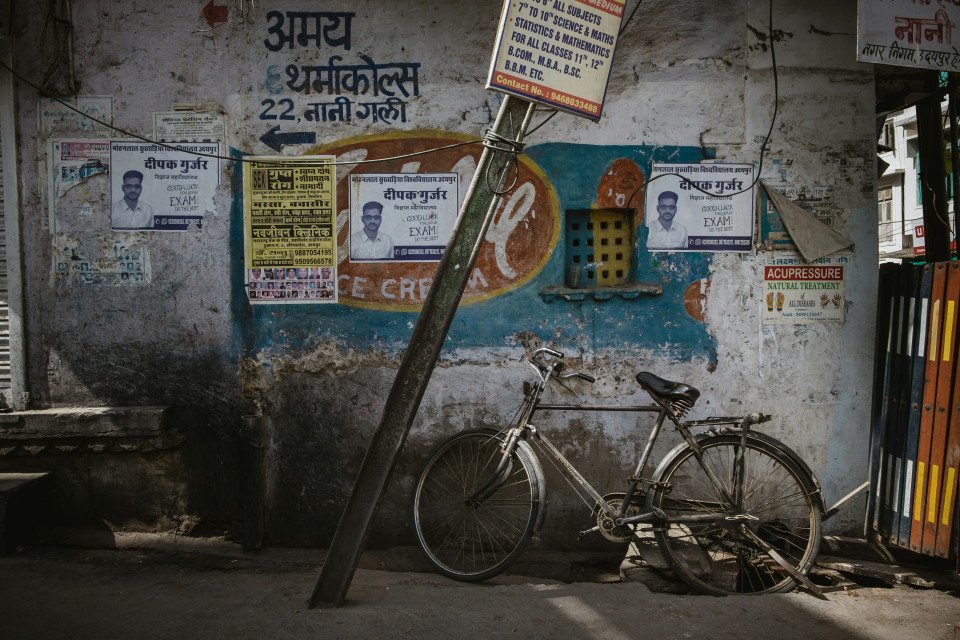
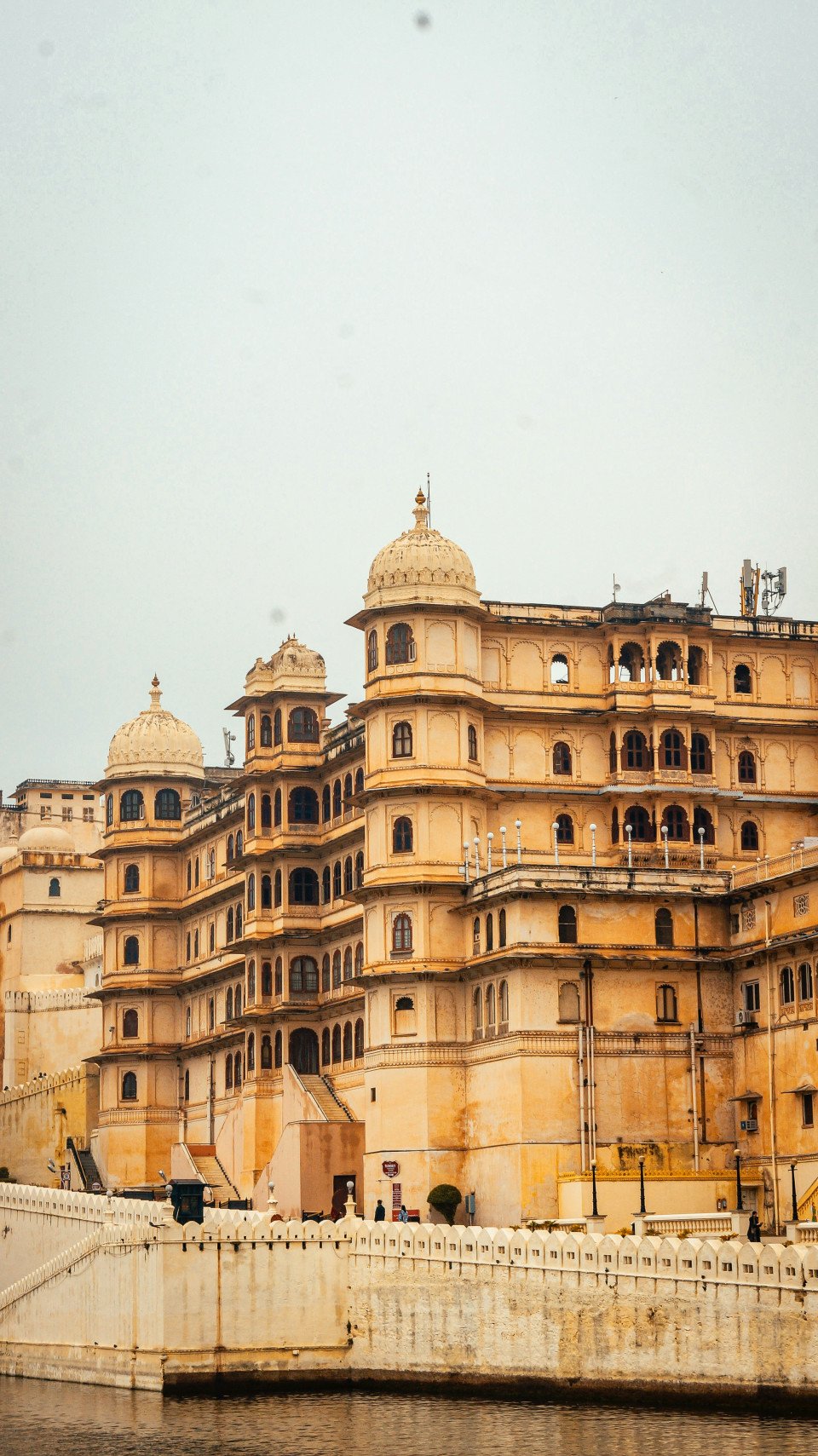
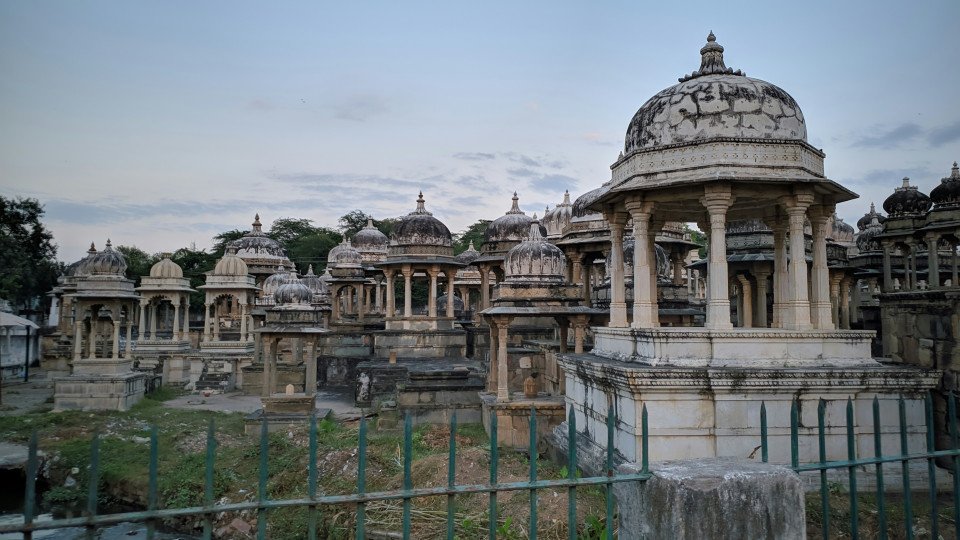
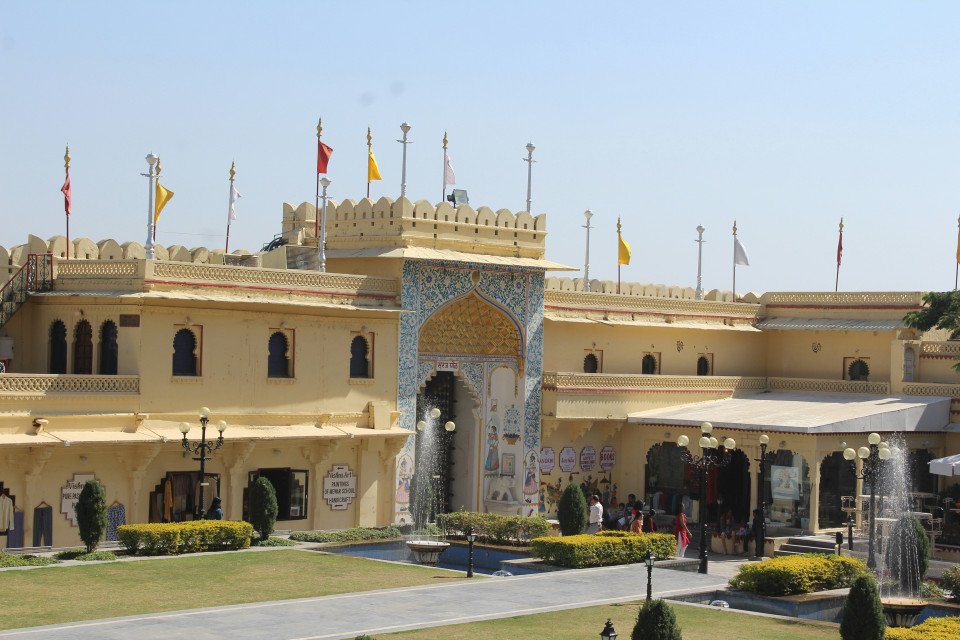
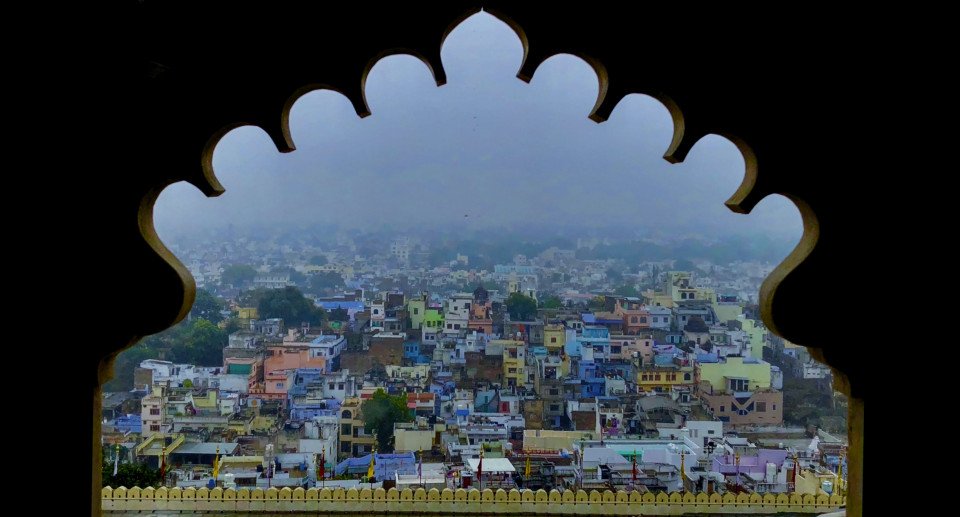
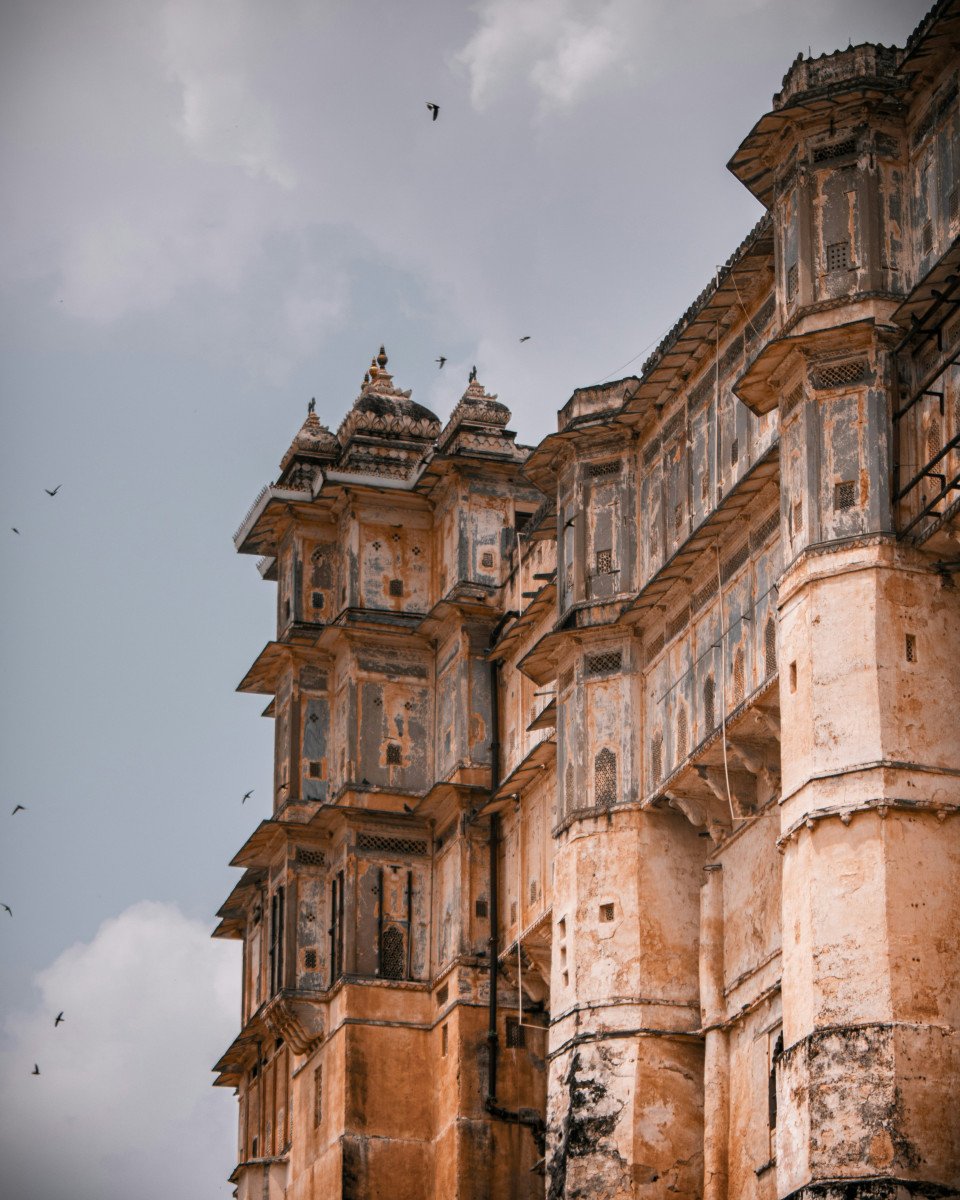
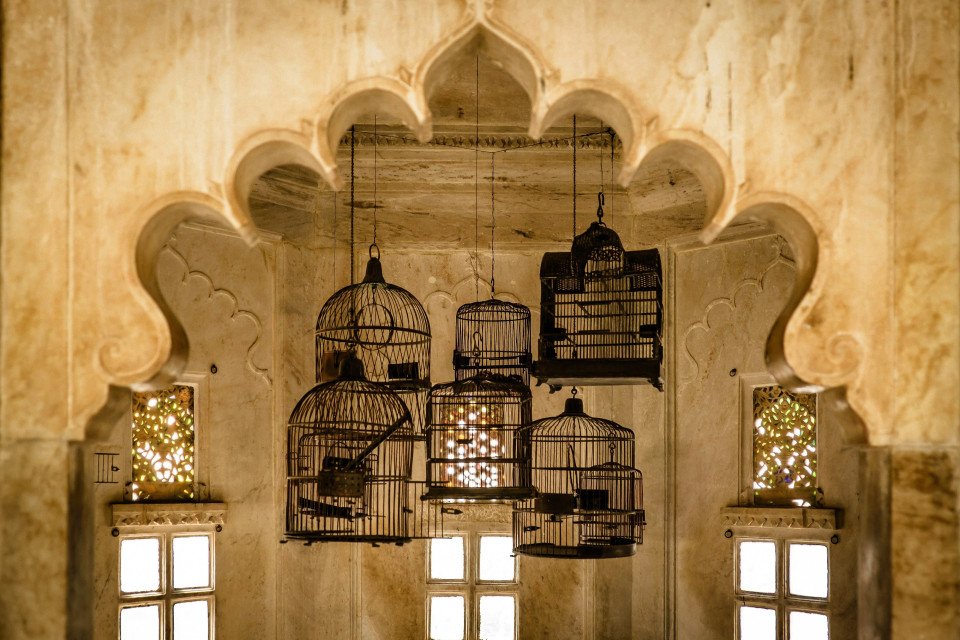
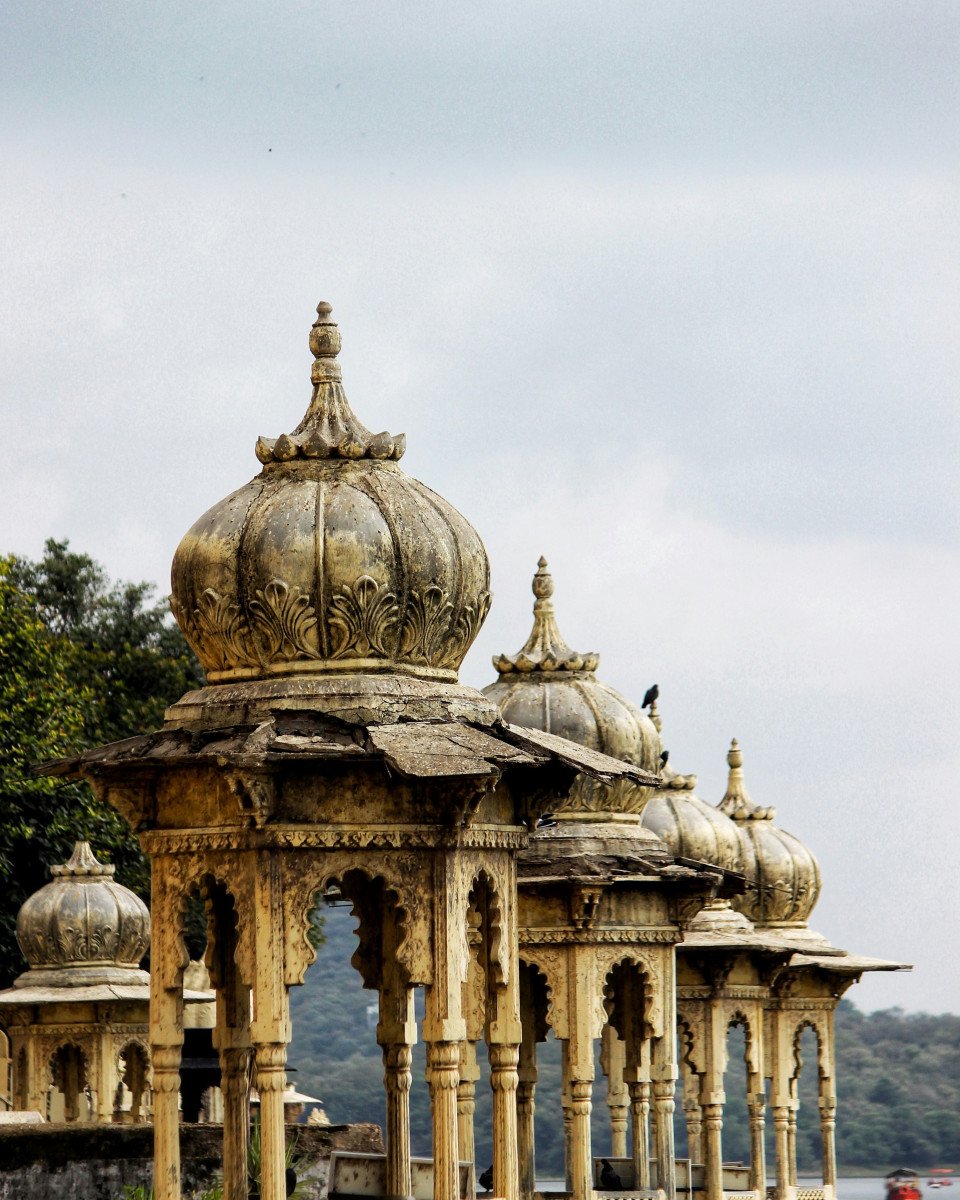
Udaipur, India, the City of Lakes, enchants with its majestic palaces, serene lakes, and lush hills. Known for the splendid City Palace and the romantic Lake Palace, Udaipur's architecture reflects regal heritage. The vibrant bazaars, intricate temples, and cultural festivals showcase its rich traditions. Boating on Lake Pichola, exploring the historic streets, and experiencing local cuisine add to Udaipur's charm. Its blend of natural beauty and royal grandeur makes Udaipur a captivating destination.
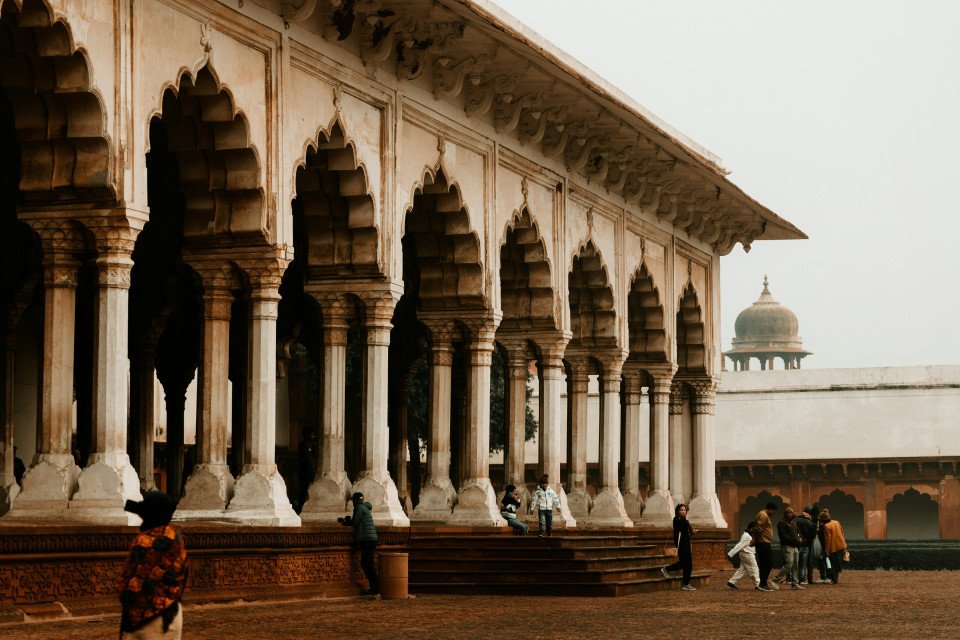
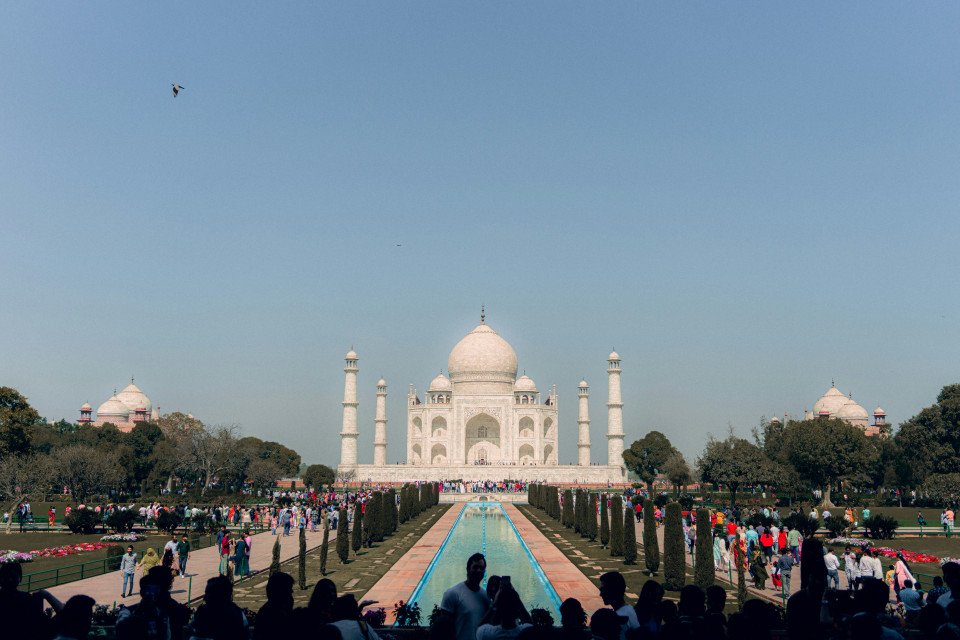
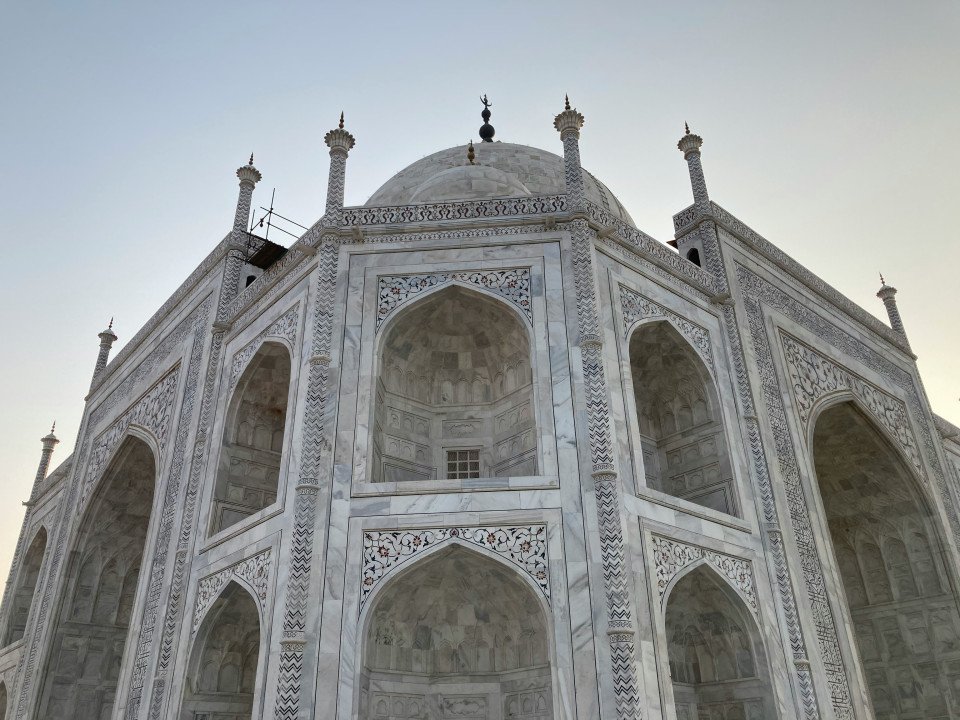
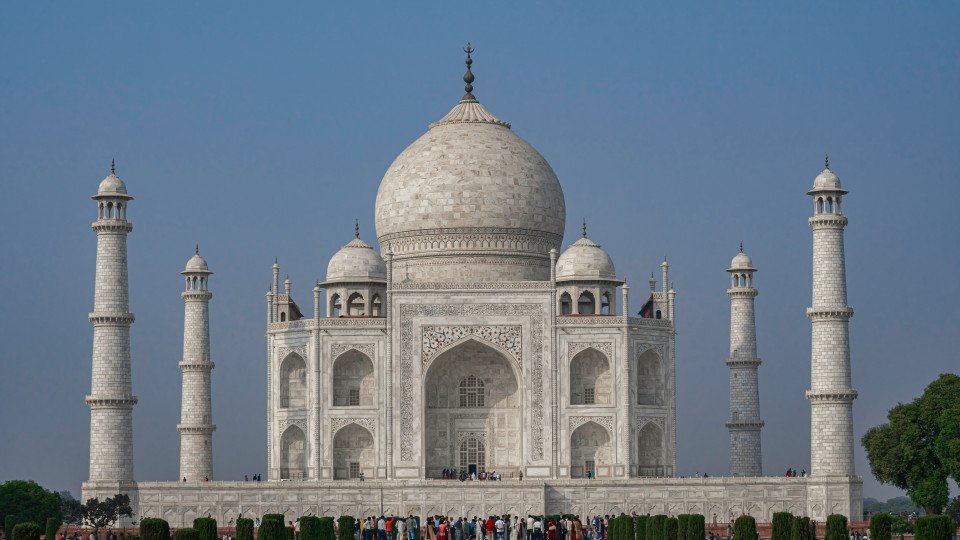
Agra, located in Uttar Pradesh, India, is world-renowned for the Taj Mahal, a UNESCO World Heritage Site and symbol of eternal love. Built by Emperor Shah Jahan in memory of his wife Mumtaz Mahal, the Taj Mahal features stunning white marble architecture. Agra also boasts other Mughal marvels like the Agra Fort and Fatehpur Sikri. The city is steeped in history, reflecting its significance during the Mughal era. Agra's bustling markets offer exquisite leather goods, handicrafts, and sweets like petha. Its rich heritage, combined with vibrant culture, makes Agra a must-visit destination in India.
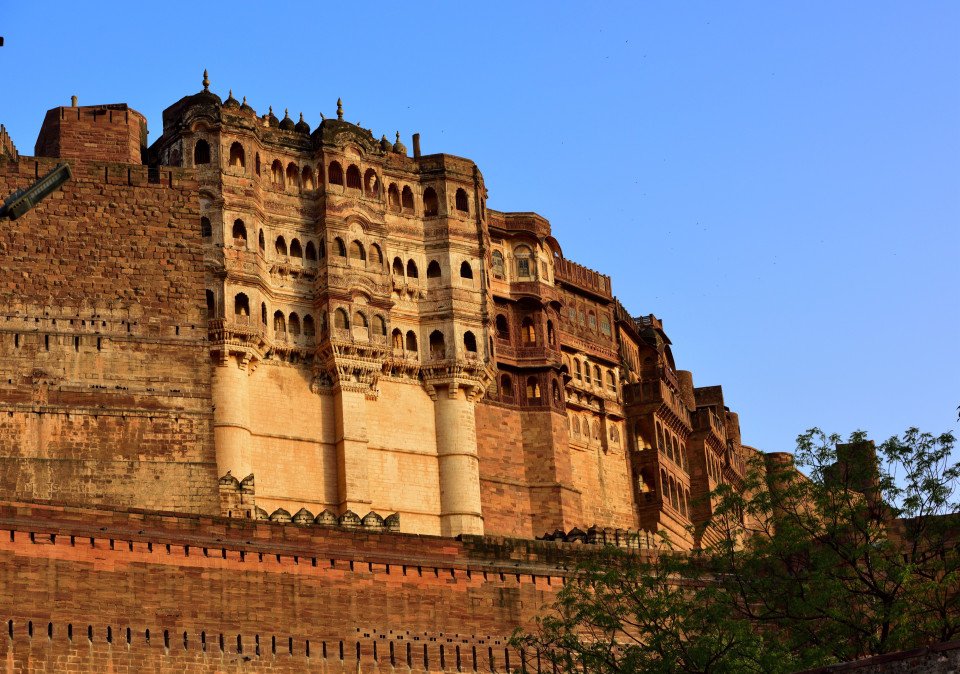
Jodhpur, India, the Blue City, captivates with its vivid blue houses and the imposing Mehrangarh Fort. Nestled on the edge of the Thar Desert, Jodhpur boasts stunning architecture, bustling bazaars, and rich cultural heritage. The city's vibrant streets are filled with the aroma of Rajasthani cuisine and the sounds of traditional music. Historic landmarks, such as the Umaid Bhawan Palace and Jaswant Thada, highlight its regal past. Jodhpur's blend of vivid colors, desert landscapes, and royal history make it a mesmerizing destination.
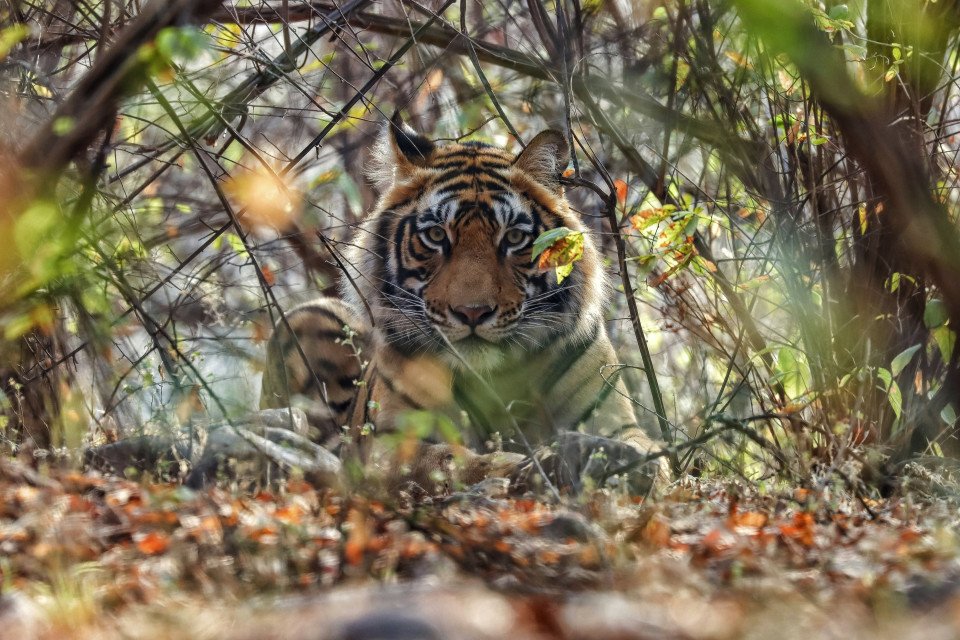
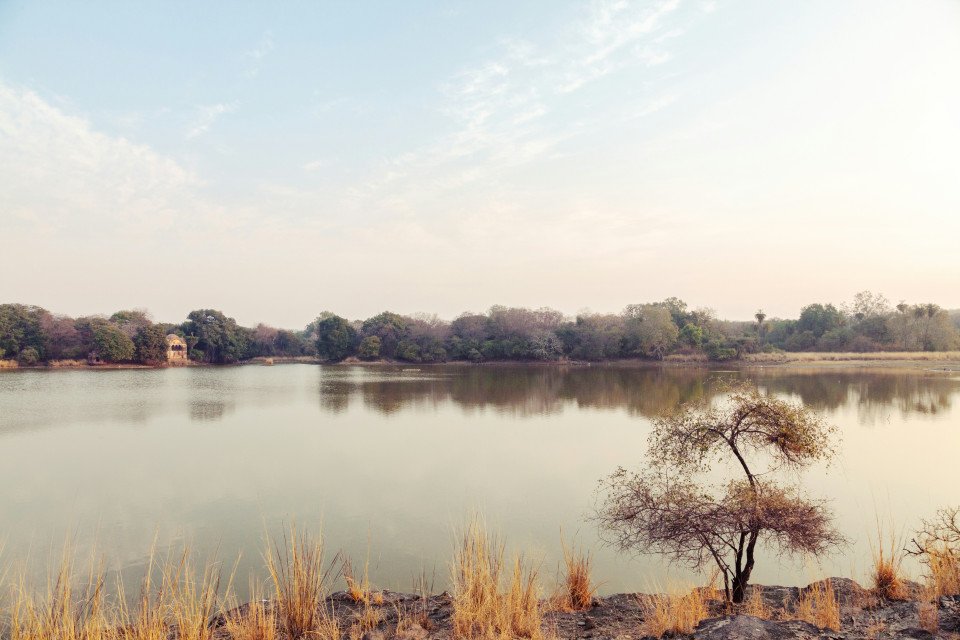
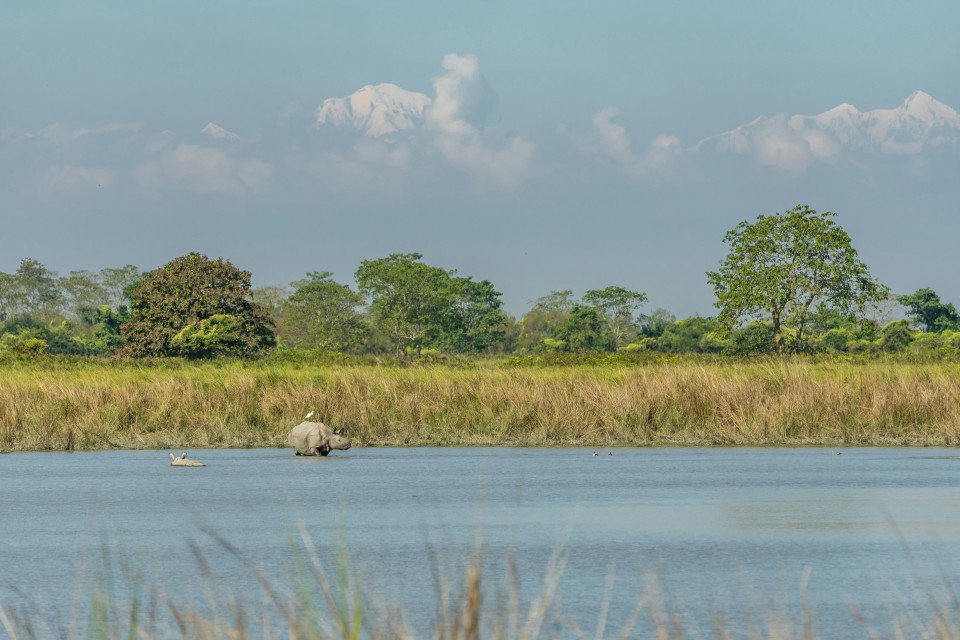
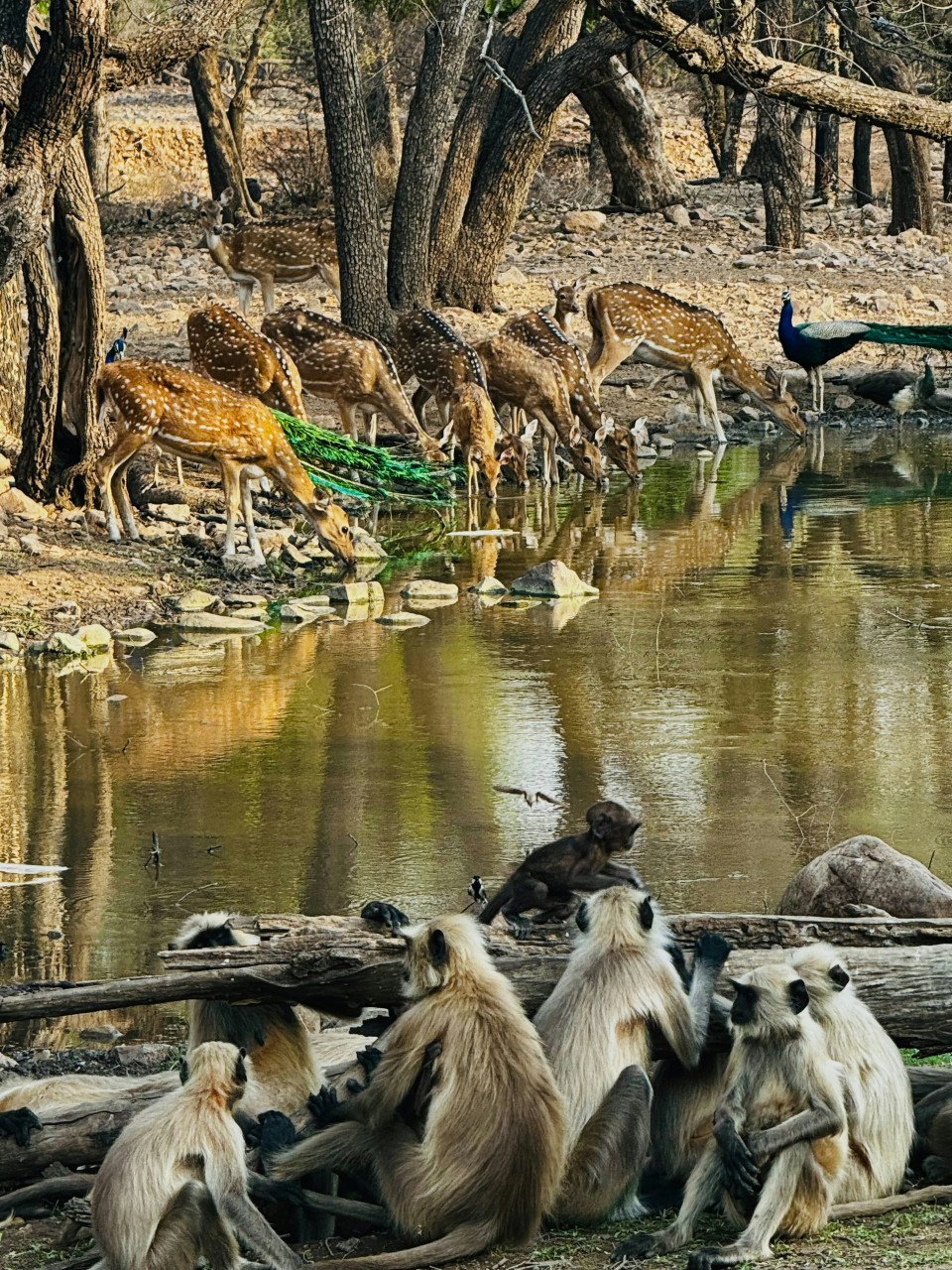
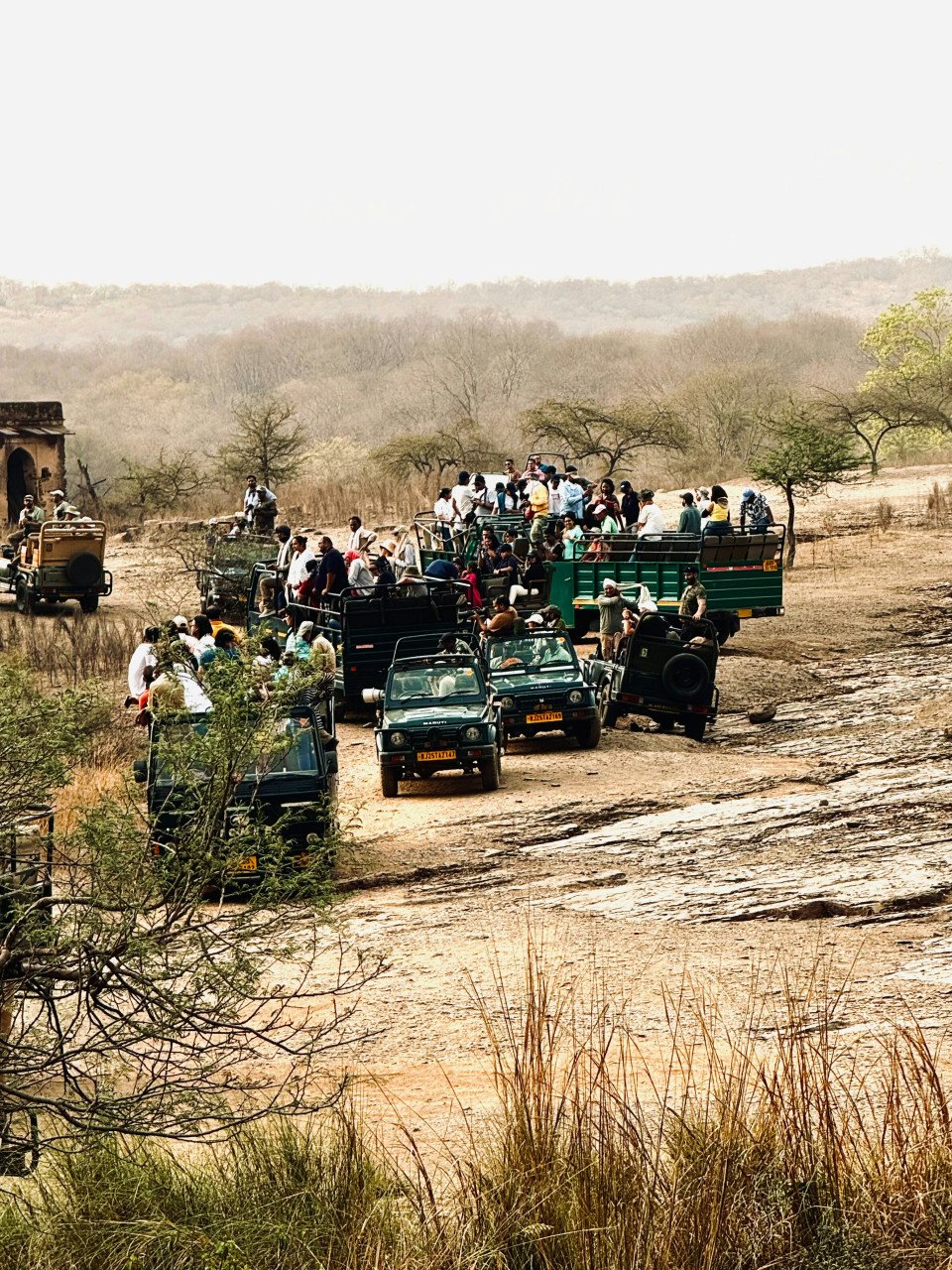
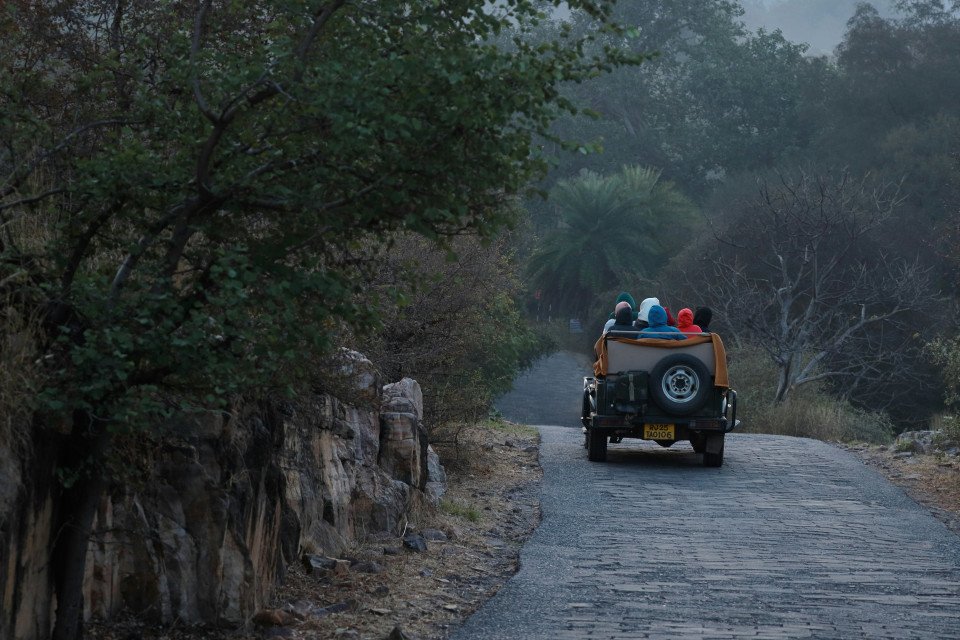
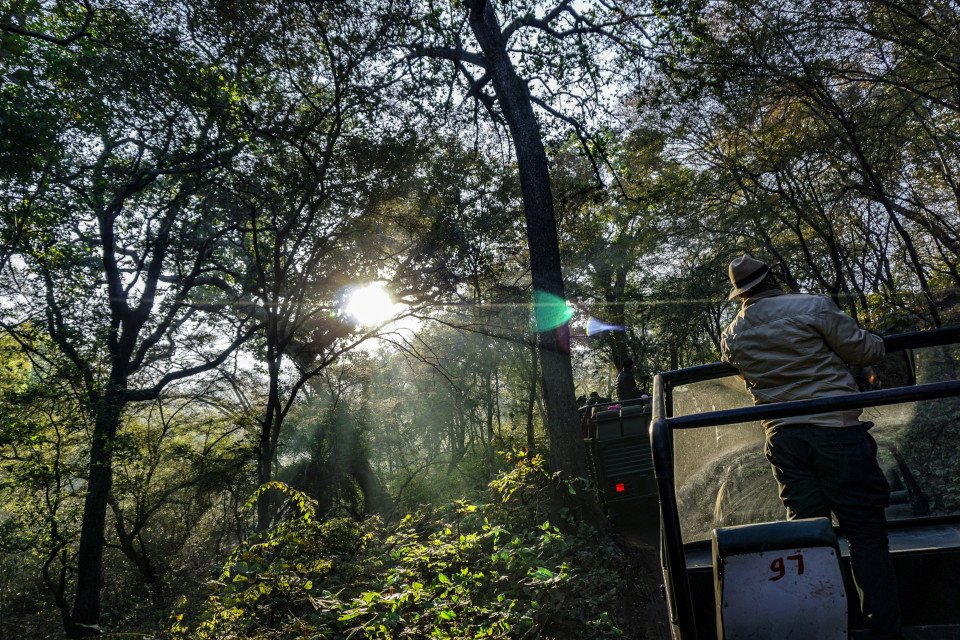
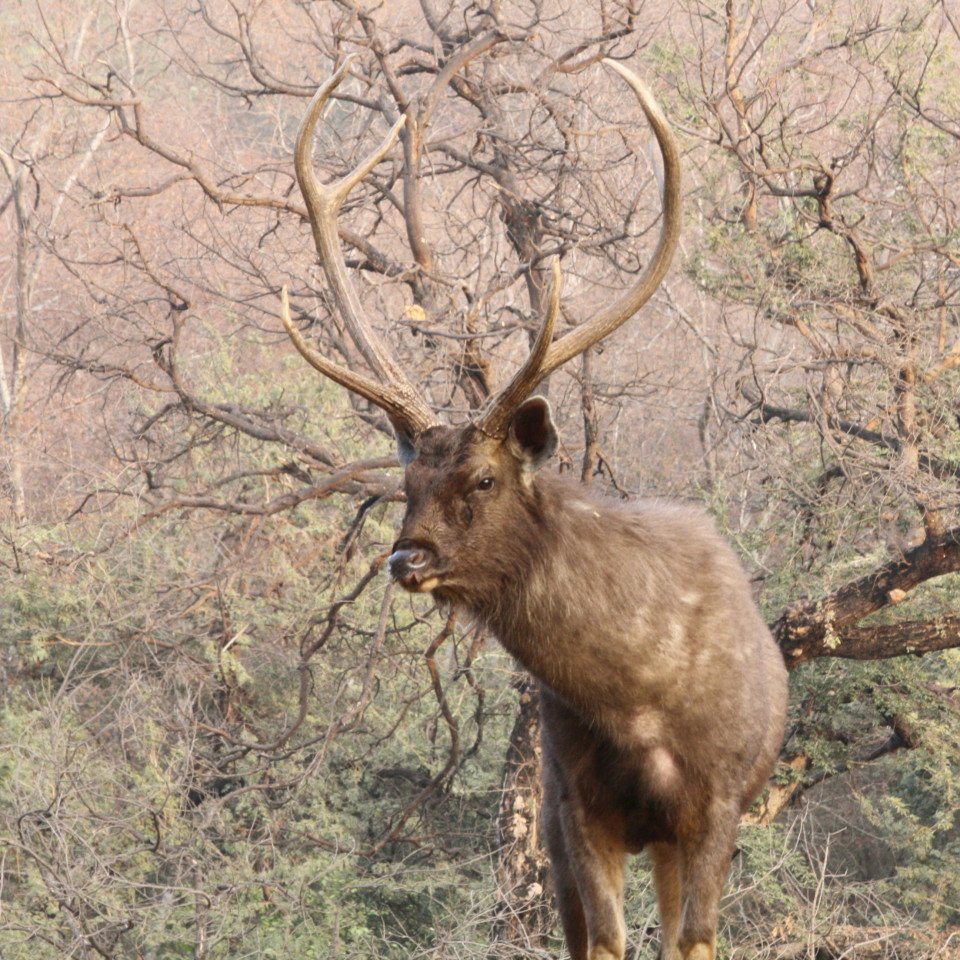
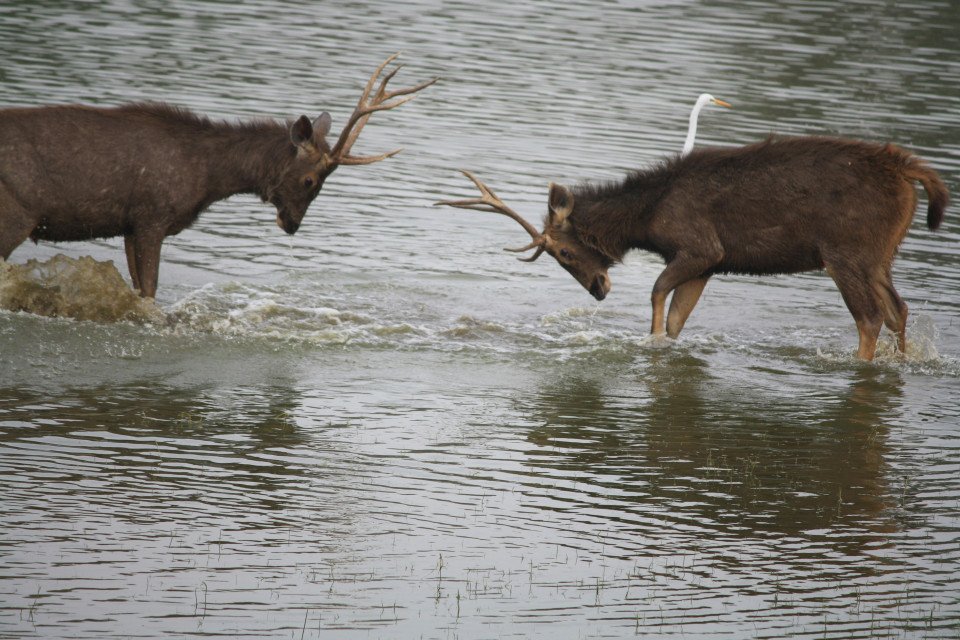
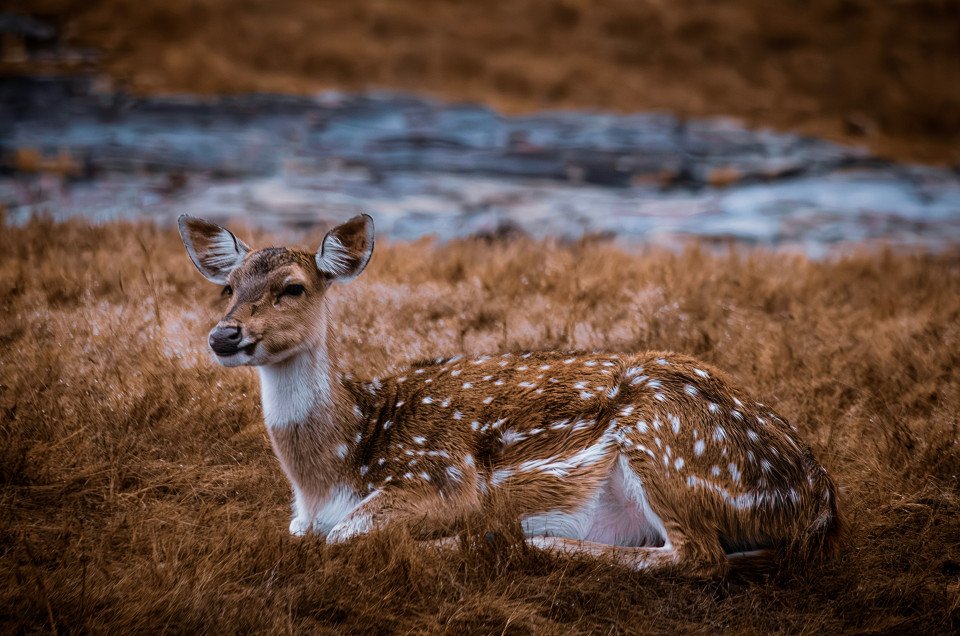
Ranthambore National Park, India, is a renowned wildlife sanctuary in Rajasthan, celebrated for its population of Bengal tigers. Nestled amidst the Aravalli and Vindhya hills, it offers a dramatic landscape of dense forests, ancient ruins, and serene lakes. Visitors can embark on thrilling safaris to spot tigers, leopards, and diverse flora and fauna. Key attractions include the majestic Ranthambore Fort and picturesque Padam Talao lake. Ranthambore's blend of rich wildlife, historical sites, and natural beauty make it a premier destination for nature enthusiasts and photographers.
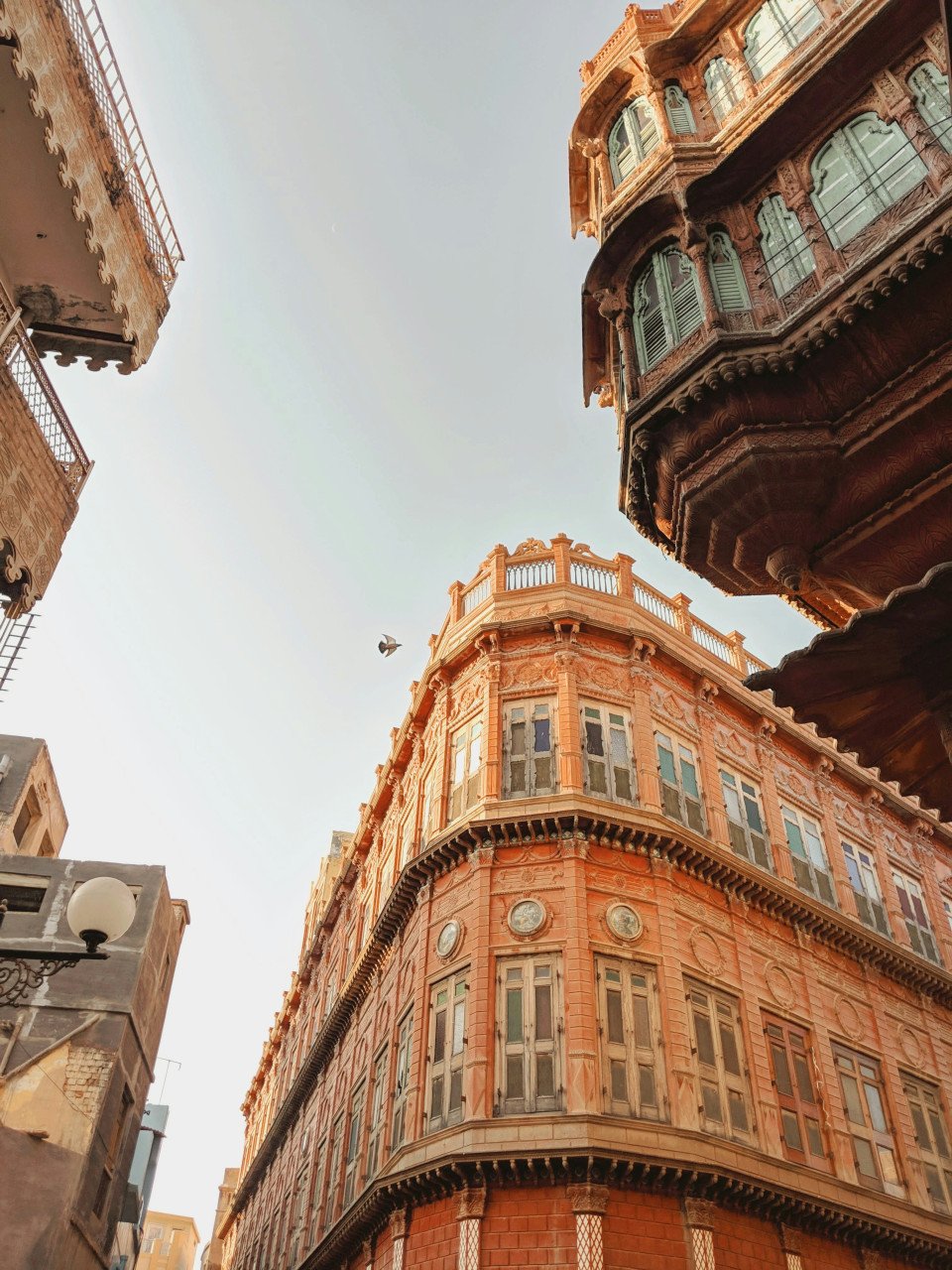
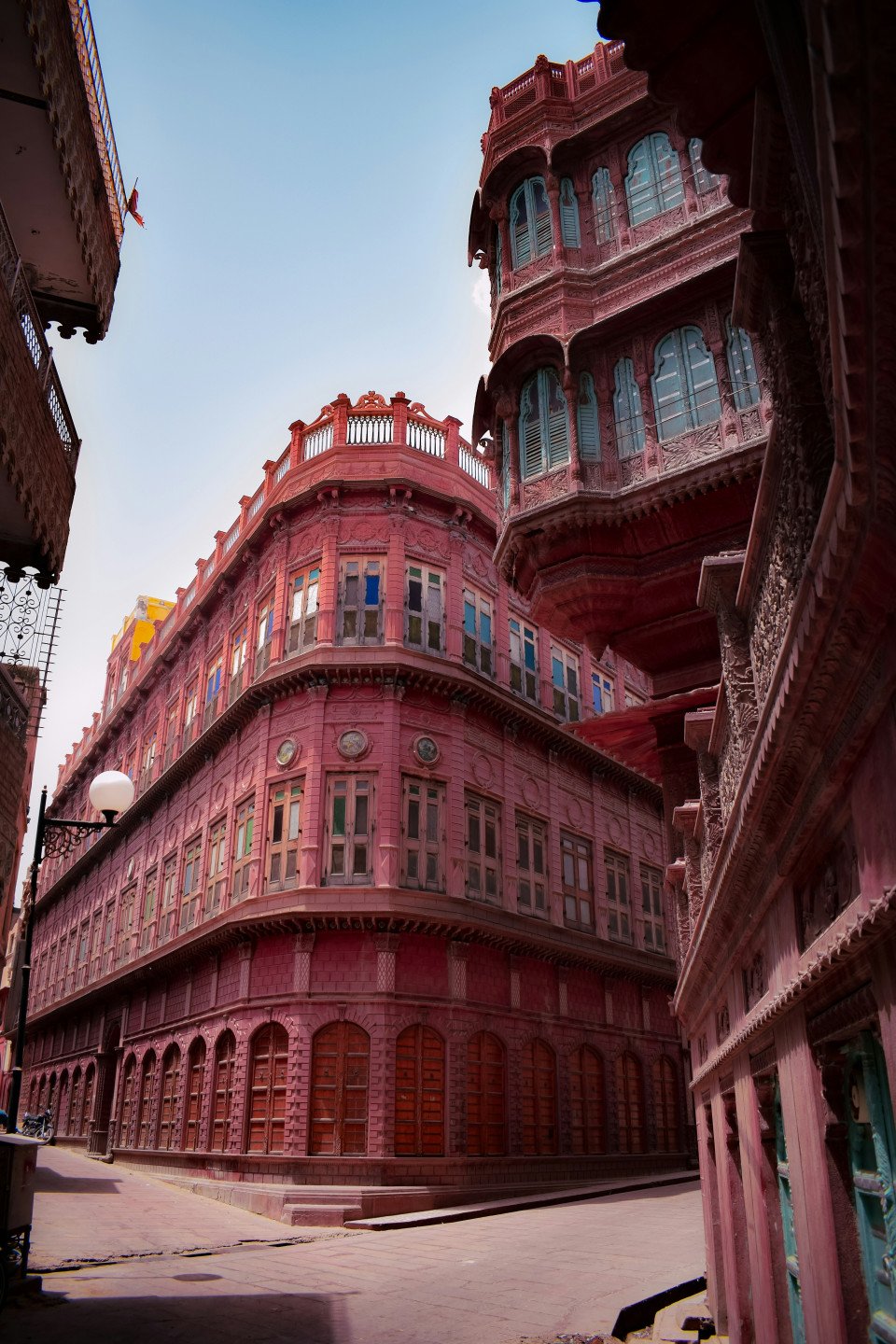
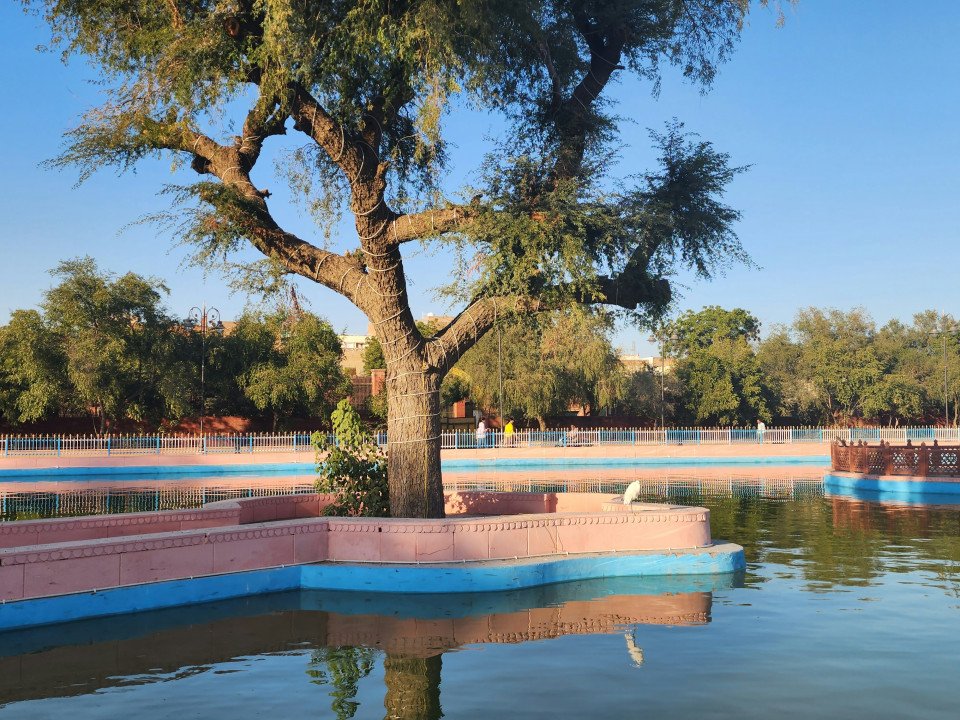
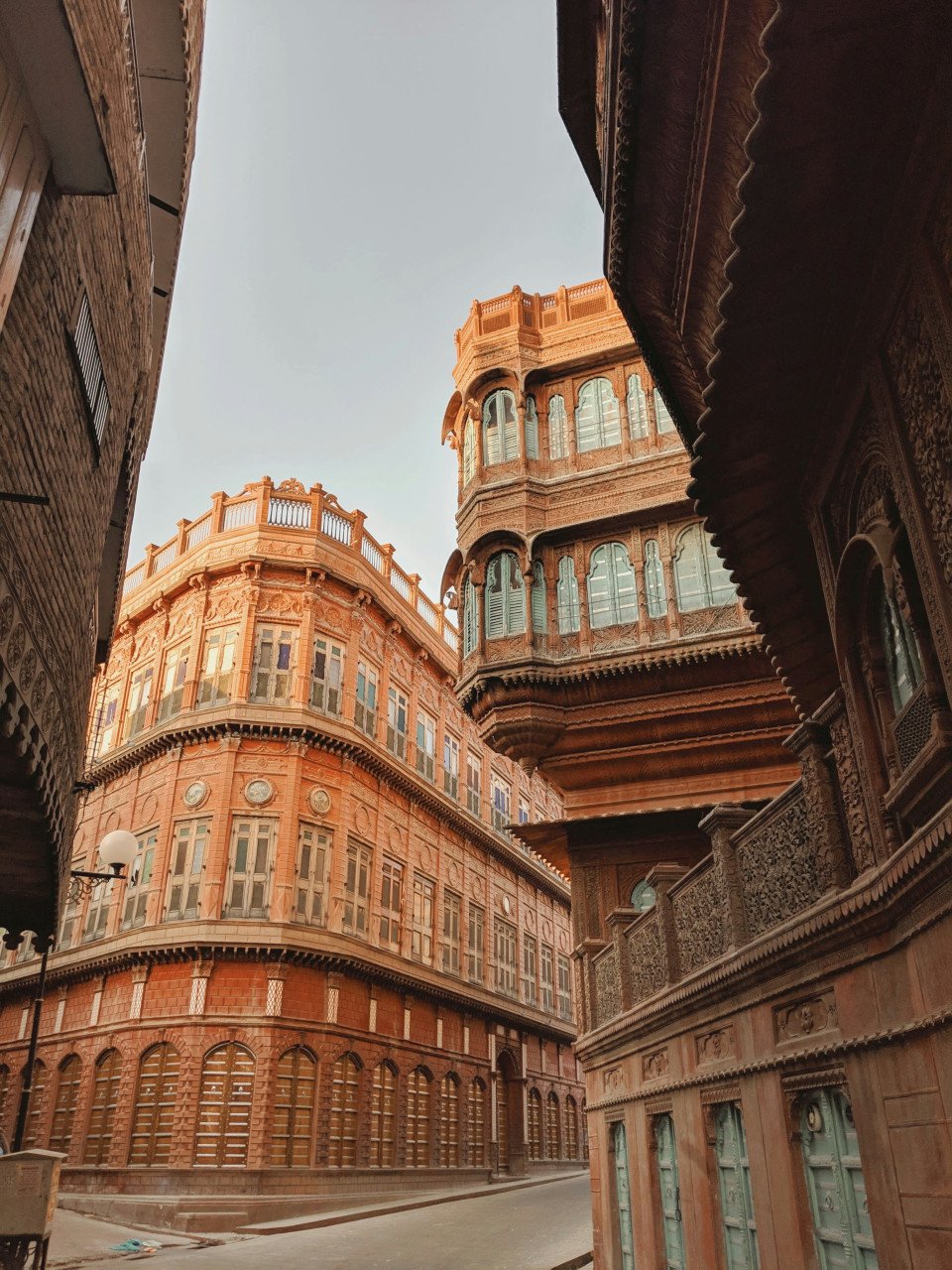
Bikaner, India, is a vibrant desert city known for its grand forts and palaces, such as the Junagarh Fort and Lalgarh Palace. Located in Rajasthan, it features intricate havelis, bustling markets, and unique attractions like the Karni Mata Temple, home to thousands of revered rats. Bikaner's rich culture is evident in its traditional crafts, folk music, and the famous camel festival. Surrounded by the Thar Desert's golden sands, Bikaner offers a captivating blend of history, architecture, and desert charm.
Jaipur, the capital of Rajasthan, India, is known as the \"Pink City\" for its iconic pink-hued buildings. Founded in 1727 by Maharaja Sawai Jai Singh II, Jaipur is famed for its rich history, majestic architecture, and vibrant culture. Key landmarks include the City Palace, Hawa Mahal, and Amer Fort, showcasing Rajput and Mughal architectural brilliance. The city, a UNESCO World Heritage Site, is also known for the Jantar Mantar observatory. Jaipur's bustling markets offer exquisite jewellery, textiles, and handicrafts, while its festivals, music, dance, and cuisine reflect the region's cultural richness and diversity.
Pondicherry (or Puducherry), a French colonial settlement in India until 1954, is now a Union Territory town bounded by the southeastern Tamil Nadu state. Its French legacy is preserved in its French Quarter, with tree-lined streets, mustard-colored colonial villas and chic boutiques. A seaside promenade runs along the Bay of Bengal and passes several statues, including a 4m-high Gandhi Memorial.
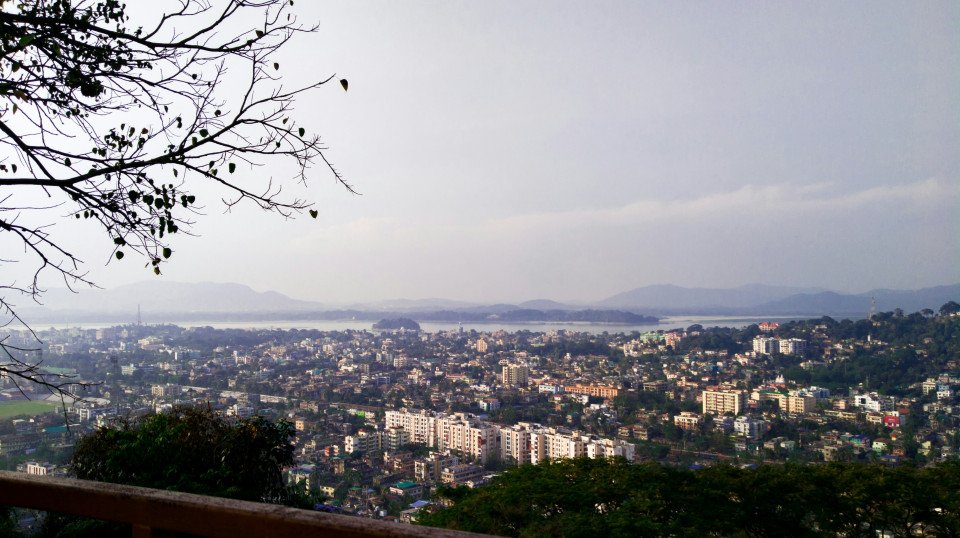
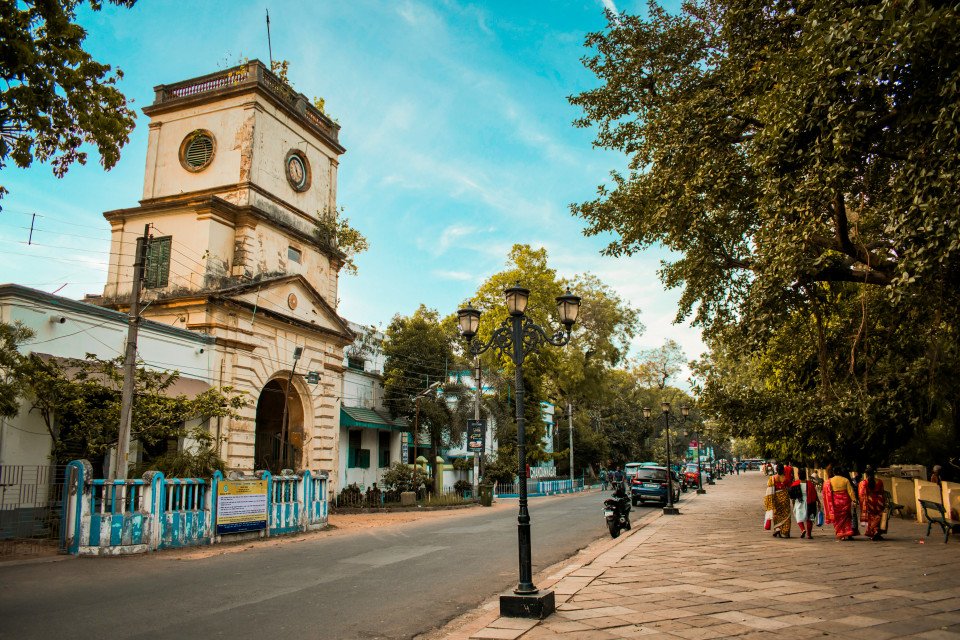
Biswanath Ghat is a port located on the Brahmaputra River in the Sontipur District of the State of Assam. The port is commonly known as Gupta Kashi and was once home to a Shiva temple for 330 million gods, with its ruins still attracting large tourist crowds today.